Article
CCMS for SaaS: why software docs are different

Summary:
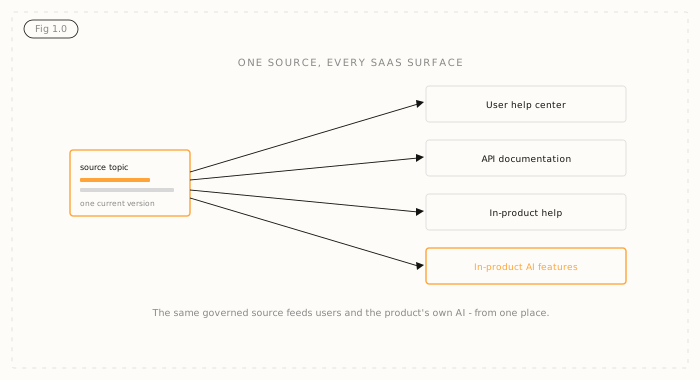
SaaS documentation isn't just software-flavoured technical writing - it has structural demands most documentation tools weren't built for: continuous releases, API docs, in-product help, multiple active versions, and increasingly the job of powering the product's own AI. This guide covers why SaaS docs strain under a wiki or docs-as-code setup and where a CCMS changes the equation. The short version: SaaS content has to ship on the release cadence and feed several surfaces at once, from one source.
Why SaaS documentation is different
SaaS ships continuously. Every release can touch help content, release notes, API references, and in-product guidance, often across several versions that are all live at once. And the same content increasingly has to feed AI features inside the product. That's a very different shape from a fixed manual for a product that changes once a year.
If your docs stack is straining against that, it's worth a structured look at where the gaps are - our CCMS evaluation checklist is a fast way to map requirements to capabilities.
Where SaaS docs fail without a CCMS
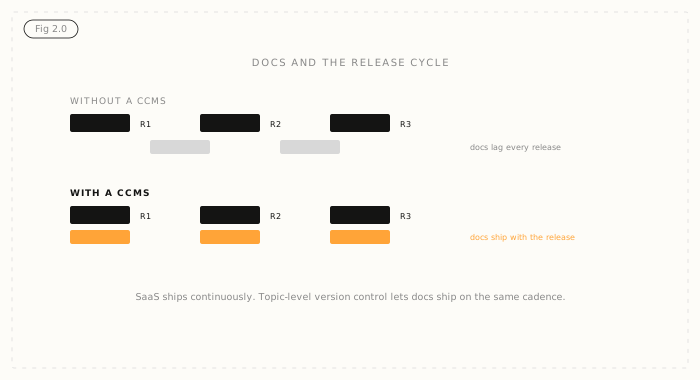
Three failures are common. Release-linked publishing is hard without version control at the topic level, so docs lag features every cycle. API docs and user docs drift apart because they're maintained in separate places. And in-product help goes stale within weeks because updating it means touching yet another system. Each is survivable alone; together they mean documentation is permanently behind the product.
One source, every surface
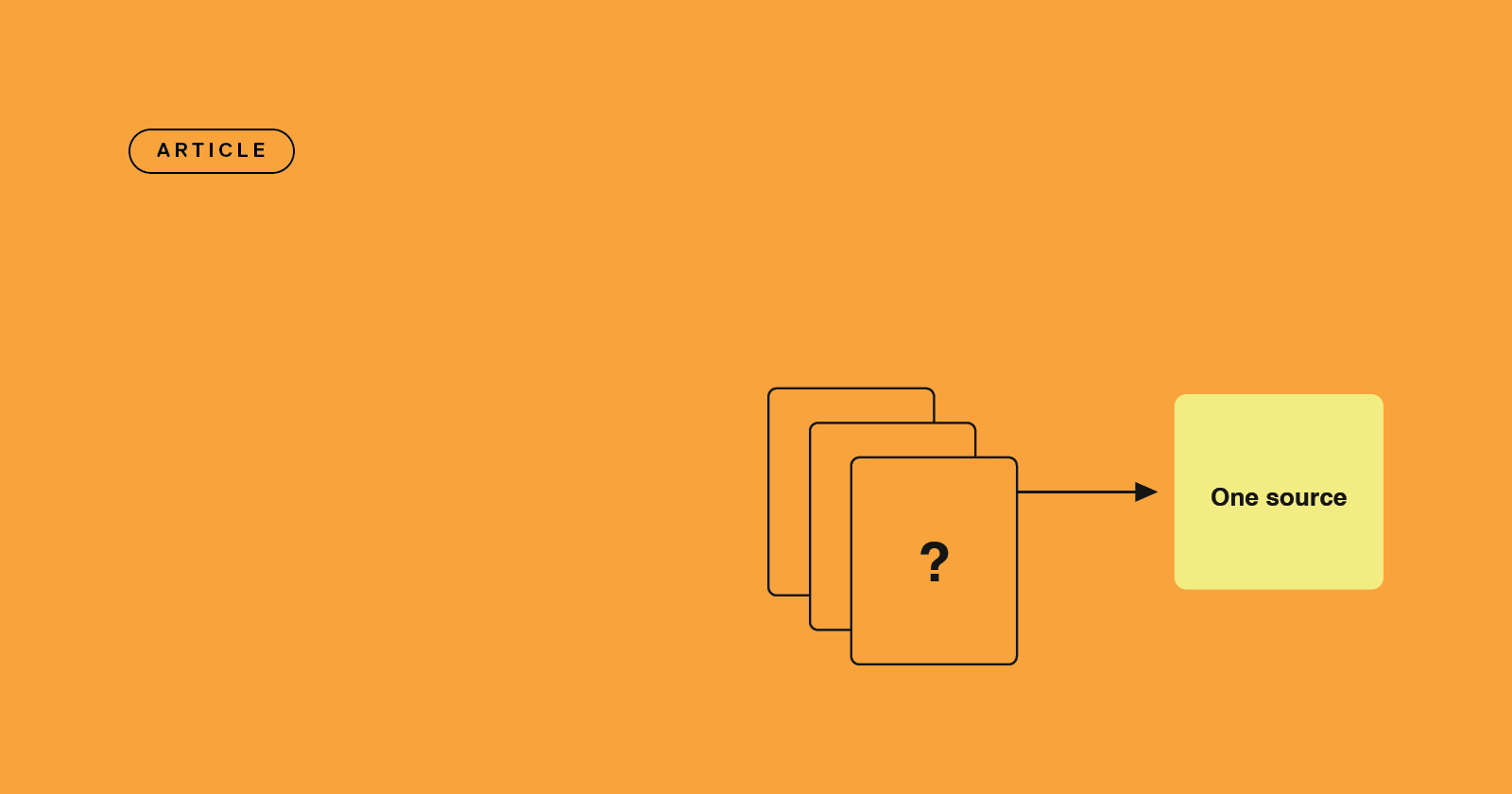
A CCMS changes this by keeping one governed source and publishing it to every surface: the help center, API docs, in-product help, and the product's AI features. Topic-level version control means docs for release three and release four can coexist and each ship on time. When the same source feeds both the help a user reads and the AI assistant inside the product, they can't disagree, because they're the same content.
Where Author-it fits
Author-it manages SaaS content as reusable components with topic-level version control, single-sourcing across channels, and translation against the source. Its structured JSON output, AION, lets the product's own AI features consume the same governed documentation users read - one source, multiple outputs, including the AI one. For software teams shipping fast across multiple releases and surfaces, that's the difference between docs that keep up and docs that are always catching up. See how it works for software teams, or benchmark your content with the Structured Content Challenge.

SaaS Documentation FAQ
Q: Why is SaaS documentation different from other technical documentation?
A: SaaS ships continuously, so every release can touch help content, release notes, API references, and in-product guidance, often across several live versions at once, and the same content increasingly feeds AI features inside the product. That's a very different shape from a fixed manual for a product that changes once a year, and it strains tools not built for it.
Q: Do SaaS companies need a CCMS?
A: Once documentation has to ship on the release cadence, span API and user docs, support multiple active versions, and feed in-product AI, a CCMS is usually warranted. It keeps one governed source and publishes to every surface with topic-level version control, which wikis and docs-as-code setups struggle to do at that pace and breadth.
Q: How do you keep documentation in sync with continuous releases?
A: With topic-level version control and single-sourcing. Content is versioned at the component level so docs for a release can be prepared and shipped alongside the feature, and because every surface draws from one source, publishing the update reaches the help center, in-product help, and AI at once rather than each being updated separately.
Q: How do you manage docs for multiple active software versions?
A: Version content at the topic level so documentation for each active release can coexist. A CCMS lets you maintain and publish docs for release three and release four in parallel, each accurate to its version, rather than overwriting one with the next or keeping fragile parallel copies in separate files.
Q: Can the same documentation power in-product AI features?
A: Yes, and it should. When the product's AI features draw from the same governed source as the user-facing docs, they can't disagree, because they're the same content. Author-it's AION output gives the AI a structured, current version of exactly the documentation users read, rather than a separate, drifting copy.
Q: What's wrong with using a wiki or docs-as-code for SaaS docs?
A: Both struggle at SaaS pace and breadth. Wikis copy-paste content that drifts and can't publish cleanly to multiple surfaces; docs-as-code handles developer references well but lacks reuse, translation, and structured AI output. As releases, versions, and surfaces multiply, the maintenance cost of keeping them in sync grows faster than the team can absorb.
Published on:
Author:
June 8, 2026
Ben Harris
Marketing Lead
Related Resources
Article
CCMS for SaaS: why software docs are different
SaaS content has to ship on the release cadence and feed several surfaces at once, from one source.
Article
Product documentation for AI customer support
The problem usually isn't your support AI. It's the content you're feeding it.
Article
How to manage product documentation that keeps growing
A plain-language guide to managing growing product documentation: why it drifts out of date, what good looks like, and the tool built to fix it.