AI FEATURES
What AI features does Author-it have?
Author-it has two AI features live today. AION is a structured JSON publishing output for large language models, retrieval pipelines and AI agents, live since 2026.R1 on all deployments at no extra cost. Author-it MCP, available to Author-it Cloud customers from 2026.R4, connects Claude to your library as the signed-in user: it reads what that person can see, and imports topics and runs translation jobs once they approve.
Below is the full picture, including what is on the roadmap and what is not, labelled honestly.
CAPABILITY STATUS
Live, coming, and not yet
Every AI capability we have, with its real status. We publish this because the alternative is you finding out in an implementation call.

| Capability | Status | What it means |
|---|---|---|
| AION structured JSON output | Live Since 2026.R1 | Standard on all deployments, no extra cost. Publishes the content hierarchy plus template type, resolved variable values, source folder, stable topic and book identifiers, description, and last-modified author and timestamp. |
| Publishing gate governance | Live | Unapproved content cannot reach AION output. The same gate that controls a printed manual controls what an AI system can read. |
| Component-level provenance | Live | Every AION chunk carries a stable identifier back to the source component, so an answer can be traced to an approved object. |
| Component versioning and reuse | Live | Object-level version history and reuse across unlimited deliverables. |
| Review and approval audit trail | Live | Recorded against the content object, not against an email thread. |
| Translation, 60+ languages | Live | Built-in module, XML translation kit, automatic locale variants. |
| Author-it MCP, Claude in your library | Live From 2026.R4, Author-it Cloud | Claude reads the live library with the signed-in user's own permissions, and content comes back with its release state attached. It can also update and create topics, importing them once the user approves, and run translation jobs. It cannot delete or publish. In 2026.R4, the supported assistant is Claude. |
| Richer AION metadata | Coming | Approval state, version history and reuse relationships in the output. On the roadmap, not in current output. We do not claim these today. |
Two AI features, live today
AION publishes your approved content in a form AI systems can use. Author-it MCP connects Claude to your live library. Here is what each one does.
AION
What is AION?
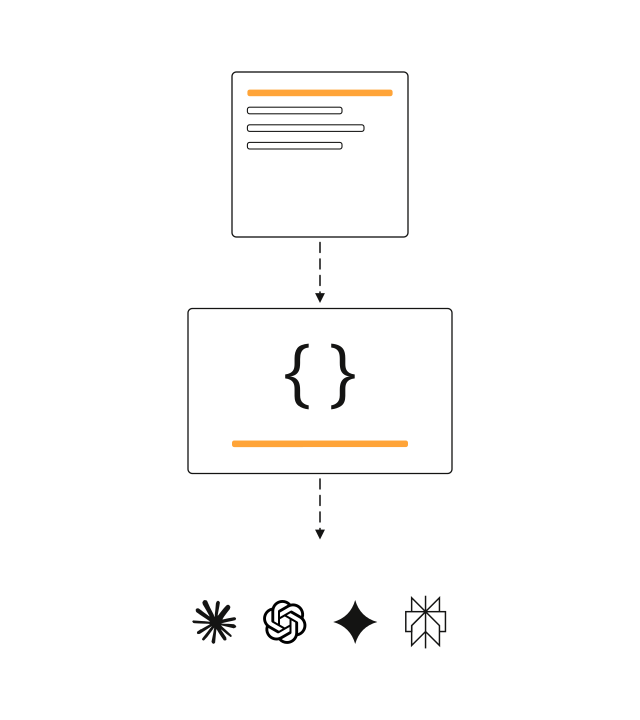
AION is Author-it's structured JSON publishing output. You set it up like any other output format: create or select an AION publishing profile, then publish a book to it.
What comes out is not a flat text dump and not a Markdown export. It mirrors the content hierarchy, books to sub-books to topics, and carries metadata alongside the content at every level.

Structure
Every chunk carries clean Markdown text, the nested hierarchy it sits in, and its template name and type.
Context
Resolved variable values, folder path and description, so a retrieval system can filter and rank on structure.
Provenance
A stable TopicId and BookId, plus last-modified timestamp and author, so an answer traces back to its source.
WHY IT MATTERS
Chunk boundaries the author intended
Chunking is the quiet failure point in most retrieval pipelines. Scraped documents get split by character count, which cuts procedures in half and separates a warning from the step it applies to.
AION content is already component-level, so the chunk boundary is the boundary the author intended. The metadata travels with it, which means a retrieval system can filter and rank on structure rather than guessing from text alone.

MCP
Claude works in your library, as you
Author-it MCP, available to Author-it Cloud customers from 2026.R4, connects Claude to your live library instead of an exported copy. Every call runs as the signed-in user, and content comes back with its release state attached.
Claude can also update and create topics, importing them once you approve. It cannot delete or publish, and it reads drafts you can see: limiting it to approved content is a rule you set in Claude.

How we compare
How does Author-it compare on AI features?
The honest framing: most CCMS vendors are writing about AI, and Author-it has been shipping it.
Shipped, not announced
AION in 2026.R1 and Author-it MCP for Author-it Cloud in 2026.R4. Shipped, not on a roadmap slide.
Read it accordingly
This is Author-it's own view of Author-it. Our comparison pages go into detail per competitor, including where they are stronger.
As of November 2026, we are not aware of another CCMS shipping an equivalent structured JSON output built for LLM ingestion. That is an early lead, not a permanent one. The durable advantage is not the file format: governed, single-source, component-level content is what an AI system needs, and building that is a twenty-five year problem, not a quarter's roadmap item.
Honest limits
What we do not claim
This is here on purpose. The AI category rewards overclaiming, so here is where we stop.
Not an AI-powered CCMS
AI is not a feature we bolted on. The structured, governed content Author-it has produced for 25 years is what AI systems need. AION is how it gets to them.
No unmeasured percentages
We do not publish accuracy or token-efficiency figures without a disclosed method. Measure it on your own content in a proof of concept and we will help you set it up.
No knowledge graph, no roadmap as fact
AION is structured, hierarchical, metadata-rich JSON, not an ontology. Approval state, version history and reuse relationships in the output are roadmap, so we do not claim them.
AI Resources
More on AI Content Foundation
Article
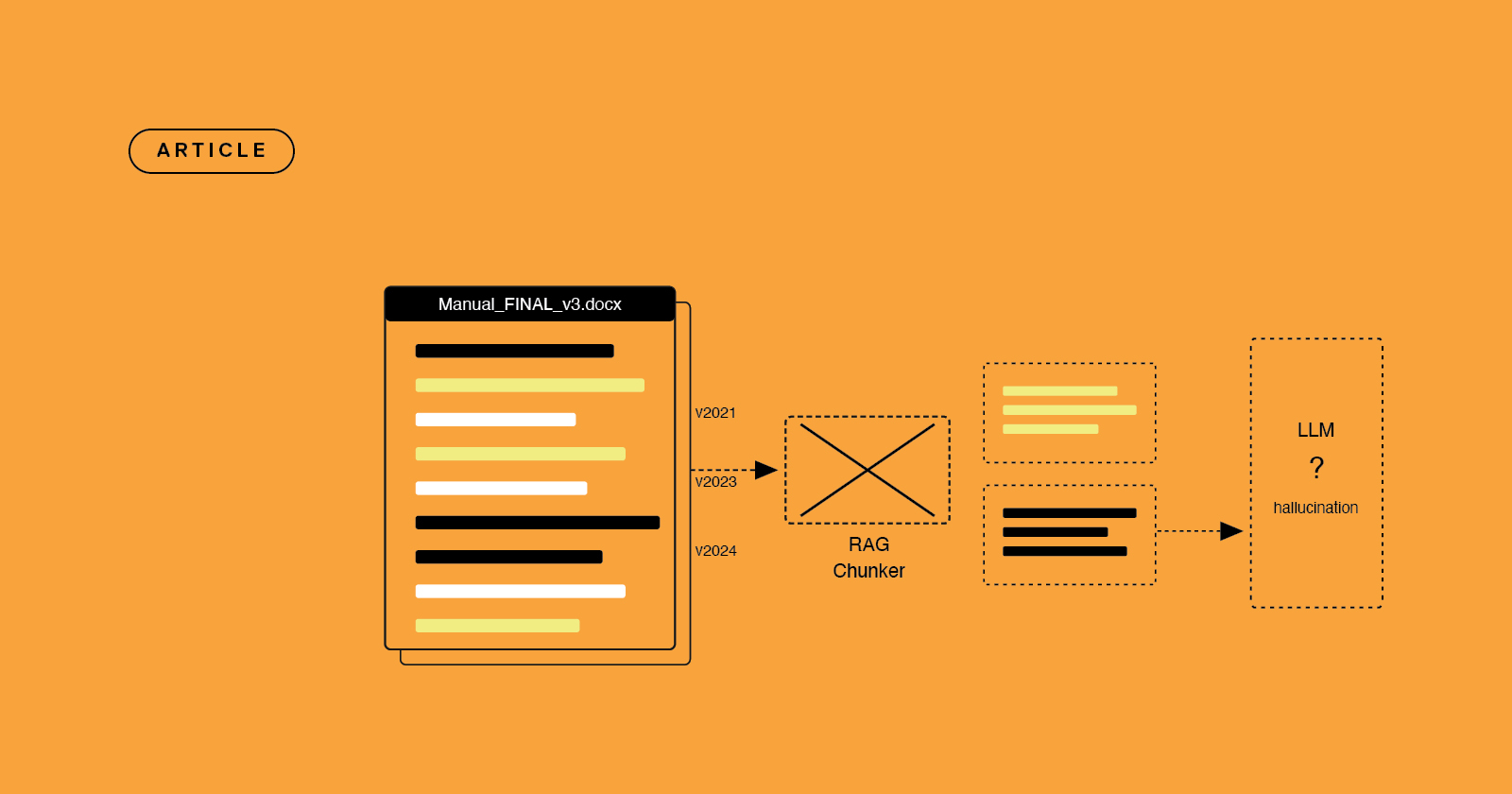
Why RAG pipelines fail on enterprise documentation
Your RAG pipeline keeps hallucinating. The model is fine. The problem is the content feeding it - and structured content is the fix.

Article
Structured content for AI: how LLMs read your documentation
Structured content is not just good documentation practice - it is what makes AI systems retrieve accurately instead of hallucinate.
Guide
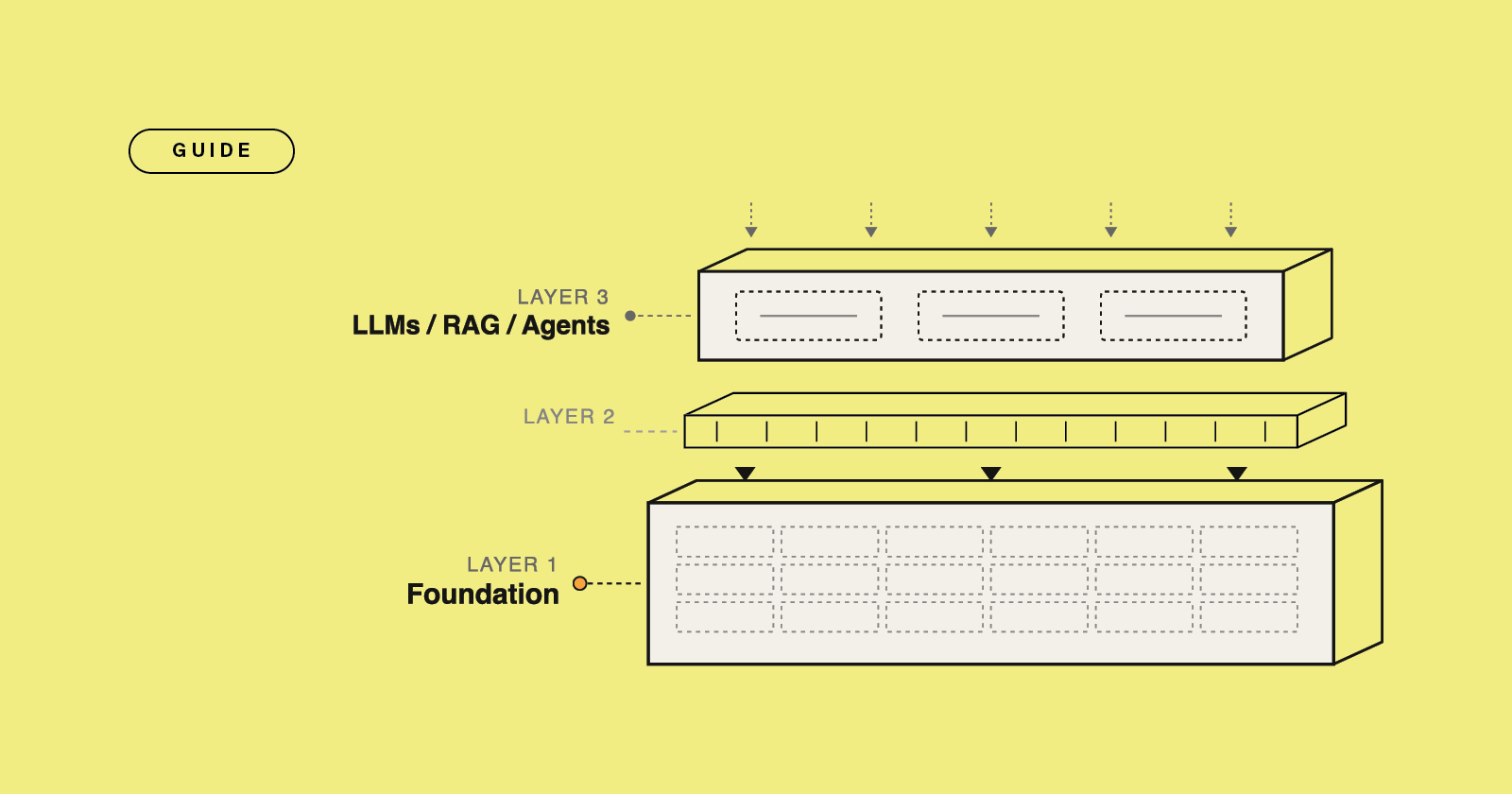
AI content foundation guide: what your LLMs actually need
Your LLMs and AI agents are only as accurate as the content underneath. Here is the foundation most enterprises skip - and how to audit yours.
Trusted by leading organisations where accuracy matters. 25+ years of structured content. Now AI-ready.


Precise. accurate. compliant.
Make content your competitive advantage. And your AI’s source of truth.
Discover how Author-it helps your team reduce errors, accelerate workflows, and deliver accurate, compliant content at scale, and feed every AI you build with a source it can trust.


Author-it AI features FAQ
Author-it ships AION, a structured JSON publishing output built for large language models, retrieval pipelines and AI agents. It has been live since 2026.R1, is standard on all deployments and is included at no extra cost. AION carries the content hierarchy along with template type, resolved variable values, source folder, stable topic and book identifiers, a description, and last-modified detail. Author-it MCP, available to Author-it Cloud customers from 2026.R4, connects Claude to the content library as the signed-in user, so it reads what that person can see, and can create and update topics and run translation jobs once they approve. Richer AION metadata covering approval state, version history and reuse relationships is on the roadmap and is not in the output today.
Yes, in the specific sense that matters. Author-it publishes governed, structured content in a format built for AI ingestion, and the publishing gate ensures unapproved content cannot reach AION output. That is the requirement most organisations fail when they try to ground an AI system in their documentation: not the model, the source.
Yes. AION is structured JSON designed for LLM and RAG ingestion. It mirrors the full content hierarchy from books through sub-books to topics rather than flattening content into plain text, and it carries metadata alongside the content at every level.
A Markdown export gives an AI system the words. AION gives it the words plus the structure they sit in and the metadata that describes them: template type, resolved variables, source folder, stable identifiers and last-modified detail. The practical consequence is chunking. Markdown gets split by character count, which cuts procedures apart. AION content is already component-level, so chunk boundaries follow the structure the author intended.
Yes. Each AION chunk carries a stable topic or book identifier and its folder path, so an answer can be traced back to the component it came from. Combined with the publishing gate, which prevents unapproved content reaching the output at all, that gives a defensible answer to where an AI response originated.
Yes. Author-it MCP is available to Author-it Cloud customers from 2026.R4. It is not available on-premises. It connects Claude to your live library, and every call runs as the signed-in user, so Claude has exactly that person's permissions. Claude reads anything the user can see, with release state attached, and can update and create topics, importing them once the user approves. It cannot delete or publish. In 2026.R4, the supported assistant is Claude. Author-it MCP is included at no extra cost until 2027.R1. Pricing will be confirmed with 2027.R1.
No. AION is a standard publishing output, included on all deployments since 2026.R1 at no additional cost.
Most CCMS vendors are publishing about AI. Author-it has shipped it: AION structured JSON output in 2026.R1 and Author-it MCP for Author-it Cloud in 2026.R4. As of November 2026, we are not aware of another CCMS shipping an equivalent structured JSON output built specifically for LLM ingestion. That is an early lead rather than a permanent moat, and the durable difference is that governed, component-level, single-source content is what AI systems actually need. This is Author-it's own assessment of Author-it, so weigh it accordingly, and our comparison pages go into per-competitor detail including where they are stronger.