Article
Managing HVAC docs across distributors and regions

Why it matters:
One product line sells into dozens of markets, each needing a different refrigerant, standard, and language - copies cause drift and repeat translation bills.
Summary:
Managing HVAC documentation across regions means giving every distributor the exact document their market needs - the approved refrigerant, the local standard, and the local language. That's hard because one HVAC unit can ship into dozens of countries, each with different refrigerant approvals, safety marks, and energy labels. Copy the master manual for every market and you get version drift, wrong-refrigerant errors, and translation bills that repeat every release. The fix is structured, single-source content with market and language variants. You write each component once, tag it by market and language, and publish per-market documentation from one governed source. When a shared component changes, it updates everywhere, and only new or changed content goes for translation. Author-it, a Component Content Management System, runs this with structured authoring and single-source publishing, so distributors in Germany, France, or Spain each get the right refrigerant approvals and the right language without a separate master for every market.
One product, many markets, different rules
An HVAC manufacturer builds one product line. A distributor network then sells it across dozens of countries, and each market wants something slightly different: the refrigerant approved for sale there, the safety mark and standard that apply, the energy label in the local format, and the manual in the local language.
Get one of those wrong and the consequences are real. A manual that lists a high-GWP refrigerant like R-410A for a market that now mandates A2L refrigerants such as R-454B or R-32 isn't just embarrassing - it's a compliance failure. A distributor in France shouldn't receive a document built for another market, and a German installer needs paperwork that satisfies local requirements, in German. This is one of the sharpest edges of the wider HVAC documentation problem in manufacturing, and it lands hardest the moment you add markets faster than you add writers.
Why per-market documentation multiplies fast
The maths is unforgiving. One model number encodes series, tonnage, efficiency, voltage, and refrigerant. Multiply your configurations by your markets, then by your languages, and a single product line can need hundreds of distinct document versions.
Most teams still manage this by copying. Take the master manual, swap the refrigerant note, edit the compliance statement, send the whole thing for translation, repeat. Every market gets its own file, and every file drifts from the source the day after it's created. When a specification changes, no one is sure which of the copies got updated. For manufacturers running documentation at scale, the copy-and-edit model is the root cause of both version chaos and runaway cost.
What good looks like: one source, market variants
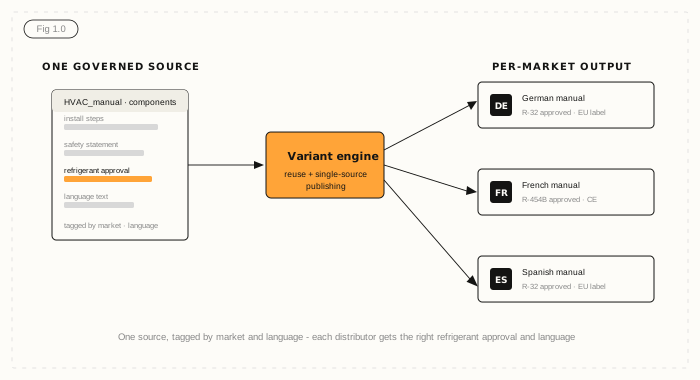
The better model is structured, single-source content. Instead of a document per market, you hold one governed source built from reusable components - the shared install steps, the market-specific refrigerant approval, the local safety statement, the language-specific text.
Each component is tagged by market and language. When a distributor in Spain needs their manual, you publish an ES variant that pulls the approved refrigerant for that market, the applicable standard, and the Spanish text - all from the same source everyone else draws from. Change a shared step once and it updates in every market variant automatically. This is how multi-region product documentation scales without multiplying your workload.
Here's the difference in practice:
The translation cost trap
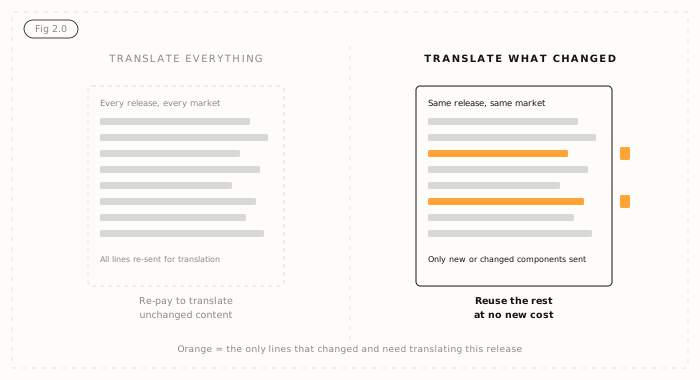
Language is where the copy model gets expensive. If your unit sells in 15 markets across 10 languages, and you re-translate the full manual every release, you pay to translate content that never changed - the same install steps, the same safety boilerplate, release after release.
Structured content breaks that cycle. Because each component is tracked separately, only new or changed components get sent for translation. Unchanged content is reused in the language it already exists in, at no new cost. It's the same principle that lets teams reduce translation costs on technical documentation and mirrors how manufacturers cut translation costs on auto parts documentation - high reuse means you stop re-paying for words you've already bought.
The HVAC-specific twist is the refrigerant note. When A2L approvals differ by market, the wrong-refrigerant line is exactly the kind of small, high-risk detail that gets missed in a manual find-and-replace. Handled as a per-market component, it's approved once and applied correctly everywhere it belongs.
How Author-it manages HVAC documentation across regions
Author-it is a Component Content Management System built for exactly this. Content lives as reusable components in one Library. Variants adapt each deliverable by market, language, or product without a separate master. Single-source publishing pushes the right document to each distributor, and the built-in translation module sends only changed components for translation.
There's a governance payoff too. Every change runs through Review and Approve with a full audit trail, so a market-specific refrigerant approval is signed off before it reaches a distributor - not patched into a copy after the fact. One global manufacturer using this model reports content reuse of 60-70% and translation costs cut by up to 90%.
If you sell one product line into many markets through a distributor network, the answer isn't more writers or more copies. It's one governed source, tagged by market and language, publishing the right document - with the right refrigerant approvals - to every region you serve.

HVAC documentation FAQ
Q: How do HVAC manufacturers manage documentation across distributors and countries?
A: HVAC manufacturers manage documentation across distributors and countries by holding one structured, single-source content set and publishing market-specific variants from it, rather than copying a master manual for every market. Each component - install steps, the approved refrigerant note, the local safety statement, the translated text - is tagged by market and language. When a distributor in a given country needs a manual, the system publishes a variant with the refrigerant approved there, the applicable standard, and the local language, all drawn from the same governed source. A change to a shared component updates every market variant automatically, and only new or changed components are sent for translation, so unchanged content is reused at no new cost. A Component Content Management System such as Author-it runs this with structured authoring, variants, and single-source publishing, which keeps every region accurate, current, and compliant.
Q: Why is copying a master manual for each market a problem?
A: Copying creates a separate file for every market and language, and each copy drifts from the source the moment it's edited. A specification change means re-editing every affected file by hand, no one is sure which copy is current, and high-risk details like the approved refrigerant can be missed in a manual find-and-replace. It also means re-translating unchanged content every release.
Q: How does structured content cut HVAC translation costs?
A: With structured content, each component is tracked separately, so only new or changed components go for translation. Unchanged install steps and safety boilerplate are reused in the language they already exist in, at no new cost. Manufacturers with high content reuse commonly cut translation spend substantially, and one global manufacturer reports translation costs reduced by up to 90%.
Q: How are per-market refrigerant approvals handled?
A: The approved refrigerant for each market is held as its own reusable component and tagged to the markets where it applies. It's approved once, then applied automatically to every document variant for those markets. This avoids the wrong-refrigerant errors that happen when a high-GWP refrigerant like R-410A is left in a manual for a market that now requires A2L refrigerants such as R-454B or R-32.
Q: What is a content variant?
A: A variant is a version of a deliverable that adapts by audience, product, region, or language from the same source components. Instead of maintaining a separate master per market, you publish a market or language variant that pulls the right components - the local refrigerant approval, standard, and language - while shared content stays single-sourced across all variants.
Q: Does this remove the need for translators or writers?
A: No. It changes what they spend time on. Writers stop recreating the same content for every market and translators stop re-translating unchanged text. Both focus on what's genuinely new or changed, which is where their expertise adds value, while the system handles reuse, publishing, and keeping every market variant in sync.
Q: How does Author-it keep regional documentation compliant?
A: Every change runs through built-in Review and Approve with a full audit trail, so market-specific content like a refrigerant approval or a local safety statement is signed off before it reaches a distributor. Because publishing draws from one governed source, there's a single, traceable record of what each market received and when.
Published on:
Author:
June 25, 2026
Jamie Simmonds
Documentation Manager
Related Resources
Webinar
Author-it 2026.R3 Release Webinar - What's New
The full Author-it 2026.R3 release webinar recording, with the biggest New Word update yet, richer AION output, and the R3 go-live dates.
Article
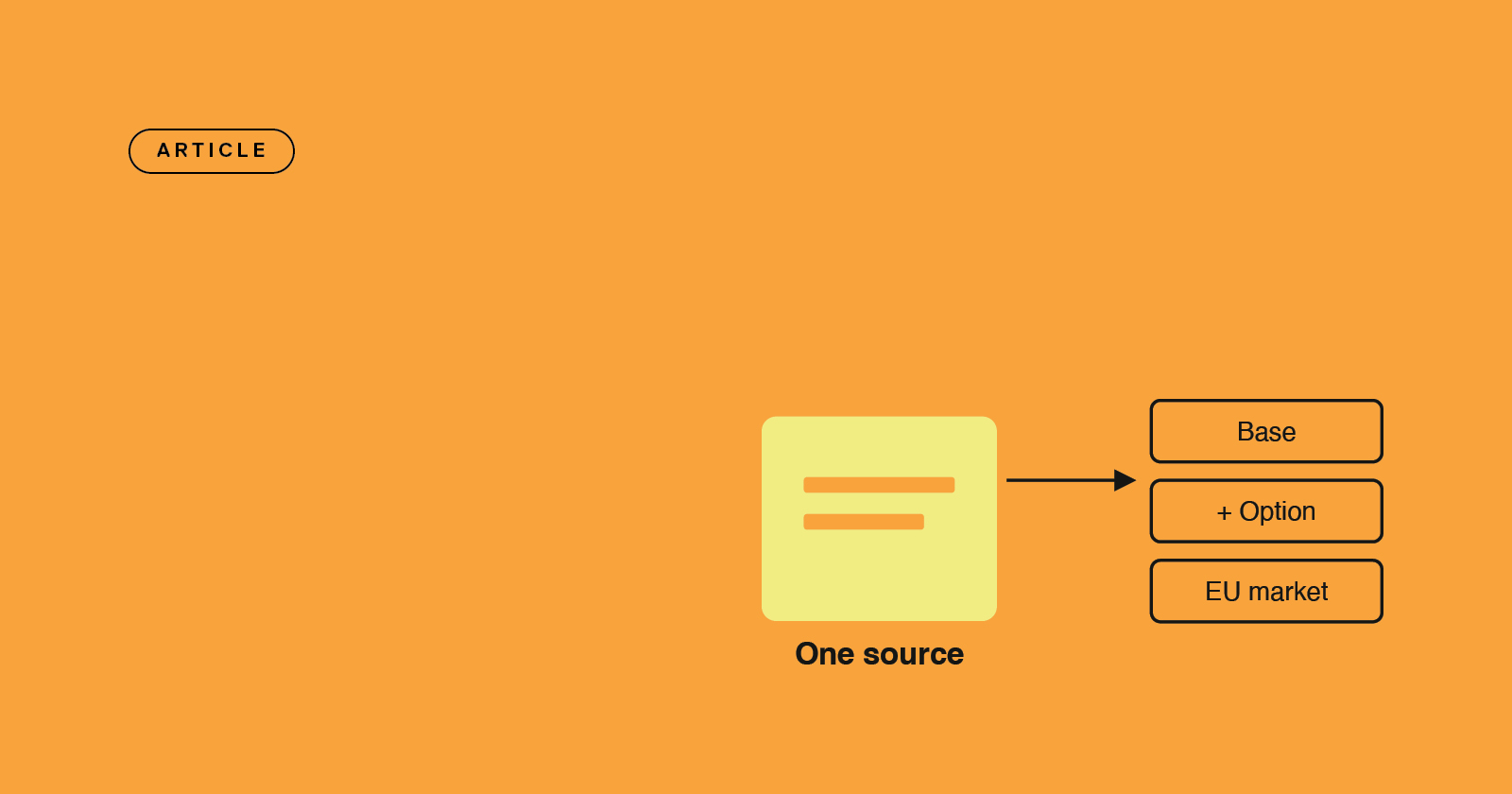
Managing spare parts catalogs across variants
Options, revisions, and regional variants multiply parts lists and service manuals fast - here's how to maintain them all from a single source.

Guide
CCMS for HVAC manufacturers: a buyer's guide
CCMS for HVAC manufacturers must handle refrigerant change, variant sprawl, and multi-market translation. Here are the criteria to score vendors before you buy.