Article
Content reuse for auto parts technical writers

Summary:
Auto parts technical writers maintaining large manual libraries spend a disproportionate amount of time re-creating content that already exists - the same warnings, the same installation procedures, the same torque specs written slightly differently across dozens of files. Content reuse for auto parts technical writers means writing a component once, storing it in a central library, and referencing it from every manual that needs it. When something changes, you update the component once and every manual updates automatically. Author-it customers in manufacturing achieve 60-70% content reuse - meaning the majority of update work disappears.
The reality of maintaining auto parts documentation
You maintain 50 manuals. Maybe more. And if you look at the actual content across them, you'll find the same warning about operating temperature in 40 of them. The same installation sequence repeated across a product family with minor variations. The same regulatory statement copied into every document that ships to a particular market.
You didn't write 50 unique manuals. You wrote 20 unique manuals and then re-created a large chunk of them thirty more times.
This is the reality for most auto parts technical writers working at scale. The problem isn't the writing - it's the maintenance. Every time an operating spec changes, you're on a search-and-update mission. Open each file, find the relevant section, check it matches the update, fix it if it doesn't, save, repeat. If you maintain 800 manuals across a full product catalogue, that mission can take weeks.
And the worst part: you're never entirely sure you got them all.
What content reuse actually means for writers
Content reuse - in the technical documentation sense - means storing a piece of content once and referencing it from multiple places. Not copying it. Referencing it.
The distinction matters. When you copy content, you have two copies. When you reference content, you have one component that appears in two places. Change the component, both places update. Copy it, and you're back to the search-and-update mission.
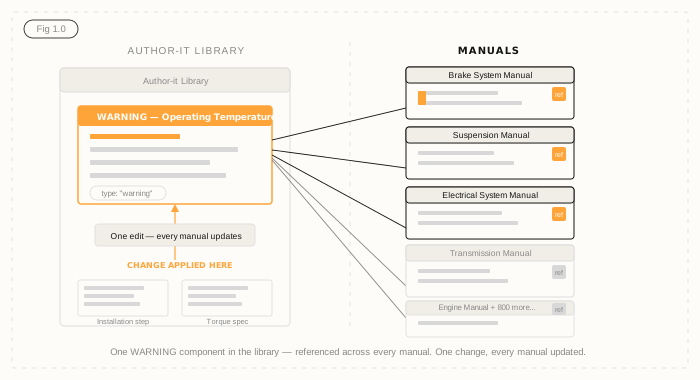
In a Component Content Management System (CCMS) like Author-it, every discrete piece of content - a warning, a procedure, a specification - lives in a Library as a Topic. A manual (called a Book in Author-it) is an assembly of Topics. When you include the operating temperature warning in a Brake System Manual and a Suspension Manual, you're not putting two copies of that warning into two files. You're pointing both manuals at the same single Topic in the Library.
Change the Topic once. Both manuals - and every other manual that references it - reflect the change automatically. No hunting. No version drift. No missed instances.
For a deeper look at how this works in Author-it Cloud specifically, the Author-it content reuse handbook covers the full technical mechanics.
The types of content that reuse best
Not all content is equally reusable. Some content is specific to a single product variant and won't appear anywhere else. But a large proportion of any auto parts manual library is content that either repeats verbatim or repeats with minor variations across a product family.
The highest-reuse content categories in auto parts documentation:
- Safety warnings - operating temperature limits, electrical hazard notices, fluid handling precautions
- Regulatory and compliance statements - market-specific legal text, certification notices
- Standard procedures - installation sequences, torque sequences, inspection checklists shared across a product family
- Product specifications that appear across variants - thread sizes, material grades, tolerances
- Boilerplate sections - warranty statements, disposal instructions, contact information
These categories typically account for the majority of content in a large manual library. That's the volume of content you can stop maintaining manually. For a practical example of how this works at the product line level, see single-source publishing for auto parts manufacturers.
What changes about your day
The before picture: a torque specification changes on a component that appears in 40 manuals. You open the first manual, find the spec, update it. Forty times. Or you search across a shared drive hoping the find-and-replace catches every variation of how that spec was written.
The after picture: you open the Topic in the Library, update the spec, and close it. Done. Every manual that references that Topic now contains the correct specification.
Author-it customers in manufacturing achieve 60-70% content reuse rates. That means for every 10 update tasks that used to require touching multiple manuals, 6 or 7 now require touching one thing in one place.
The time recovered doesn't disappear - it shifts. Writers spend less time on repetitive maintenance and more time on genuinely new content: new product variants, new markets, new procedures that don't yet exist in the library.
It also changes what happens when a product change comes in late on a Friday. Instead of calculating how many files need updating and whether you can get it done before the deadline, you make one change and verify that it's correct in the Library. The propagation is automatic.
If you want to understand what this kind of efficiency improvement translates to in financial terms, the Author-it ROI calculator models the impact based on your actual manual volume and update frequency. For context on the broader shift auto parts manufacturers are making in documentation practice, see how auto parts manufacturers are modernising documentation.
Getting started: where content reuse begins
The first step isn't a tool decision - it's a content audit. Look across your existing manuals and identify what repeats. You'll find the candidates quickly: safety warnings that appear in nearly every document, procedures shared across a product family, regulatory statements required for each market.
Those repeating elements are your first reusable Topics. Once they're in a Library, every manual that needs them references the same source. The manual structure - the Book - remains specific to that product. The shared content becomes infrastructure.
The shift to structured authoring and single-source publishing isn't only about efficiency. It's about confidence. When you know that the operating temperature warning in the Brake System Manual and the Suspension Manual and the Electrical Manual are all the same Topic, you know they're identical. There's no wondering whether you updated all of them. There's no risk that one version is slightly different from another.
For manufacturing teams managing documentation at scale, that confidence is the real value. If you're working at a manufacturer and assessing whether your current setup is ready for this kind of approach, the Structured Content Challenge gives you a quick benchmark of where you stand.

Content reuse FAQ
Q: How do auto parts technical writers reuse content across hundreds of manuals?
A: Auto parts technical writers reuse content by storing each piece of content - a warning, a procedure, a specification - as a single component in a central library, then referencing that component from every manual that needs it. When the component is updated, every manual that references it reflects the change automatically. No copying, no manual find-and-replace across files.
Q: What is content reuse and how does it work for product documentation?
A: Content reuse means writing a content component once and referencing it from multiple documents, rather than copying it. In a Component Content Management System (CCMS), each reusable piece of content - a topic, a warning, a step - is stored once in a library. Multiple manuals point to the same component. One edit updates every document that includes that component, eliminating version drift and the risk of missing an instance.
Q: How do I avoid rewriting the same content across multiple manuals?
A: The solution is structured authoring with a CCMS. Identify the content that repeats across your manuals - safety warnings, standard procedures, regulatory statements - and store each as a single reusable topic in a central library. Manuals then reference these topics rather than containing their own copies. Changes to the source topic flow to every manual automatically.
Q: What types of content work best for reuse in auto parts documentation?
A: The highest-reuse content in auto parts documentation includes safety warnings (operating temperature limits, electrical hazard notices, fluid handling precautions), regulatory and compliance statements, standard procedures shared across a product family, product specifications appearing across variants, and boilerplate sections like warranty statements and disposal instructions. These categories typically account for the majority of content in a large manual library.
Q: What is a CCMS and do I need one for content reuse?
A: A Component Content Management System (CCMS) is a platform that manages content at the component level - individual topics, warnings, and procedures - rather than whole documents. You need one to implement true content reuse at scale. Without a CCMS, content reuse typically means copying, which defeats the purpose. A CCMS like Author-it stores each component once in a library and manages the references between components and the manuals that use them.
Q: How much time can content reuse save auto parts technical writers?
A: Author-it customers in manufacturing achieve 60-70% content reuse rates, meaning 60-70% of update tasks that previously required touching multiple files now require one change in one place. For a writer maintaining 50+ manuals with regular spec changes, this translates to hours or days recovered per update cycle - time that shifts to writing genuinely new content rather than re-creating what already exists.
Q: Can content reuse work alongside product variants and regional versions?
A: Yes. In Author-it, content variants allow a single topic to output different text based on audience, product variant, or market - without creating separate copies. The core content is shared; conditional elements handle the variations. This means a warning that differs slightly between two regional markets can still be maintained as one topic, not two, with the regional differences managed through variables or conditional content.
Q: What is single-source publishing and how does it relate to content reuse?
A: Single-source publishing means publishing the same underlying content to multiple output formats - PDF, HTML, print - from one source without rewriting. It works in combination with content reuse: the same reusable components that appear across multiple manuals can also be published to multiple output formats from a single source. Together, they eliminate both cross-document duplication and format-specific rewriting.
Published on:
Author:
April 16, 2026
Jamie Simmonds
Documentation Manager
Related Resources
Article
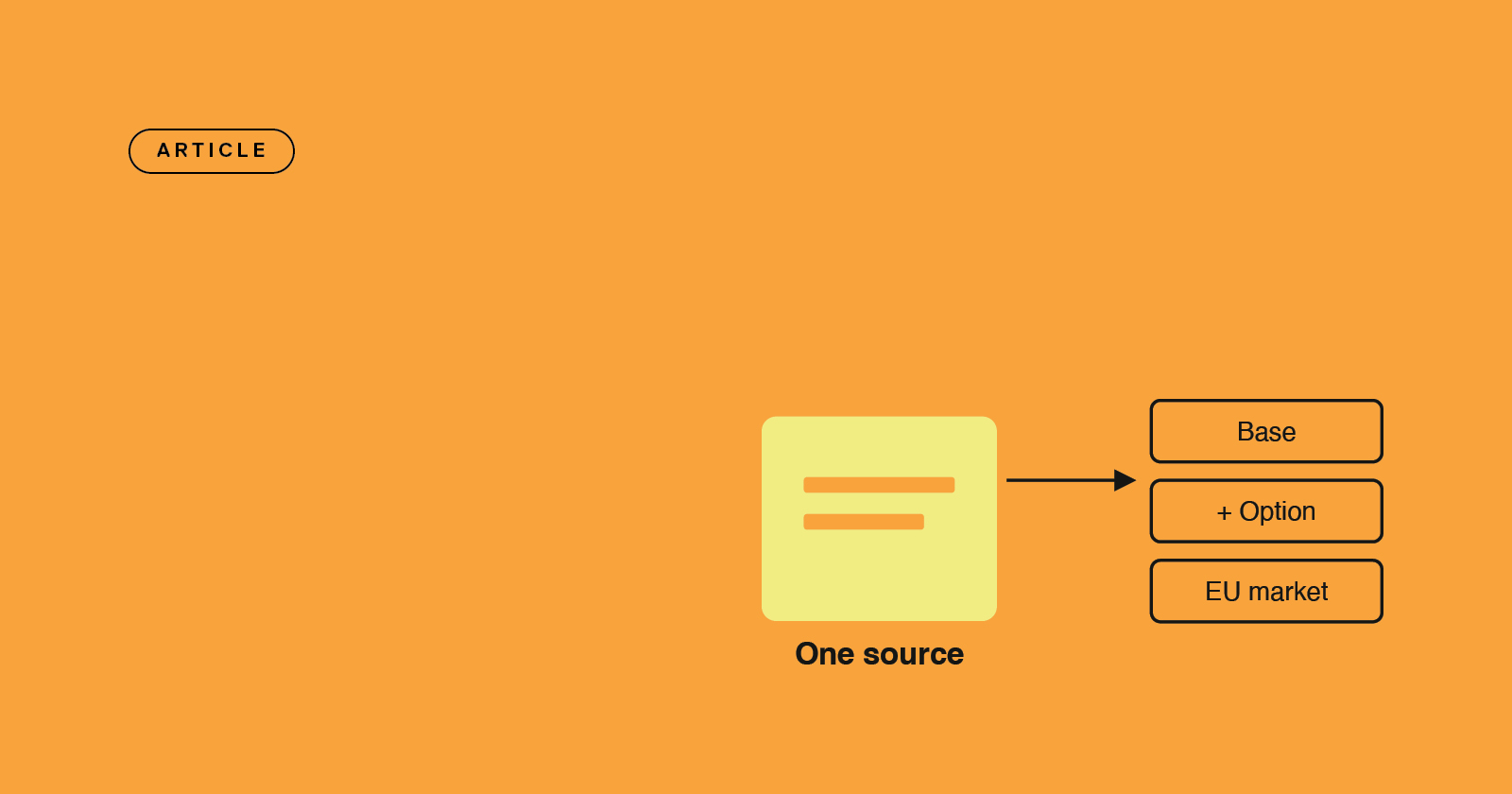
Managing spare parts catalogs across variants
Options, revisions, and regional variants multiply parts lists and service manuals fast - here's how to maintain them all from a single source.
Article
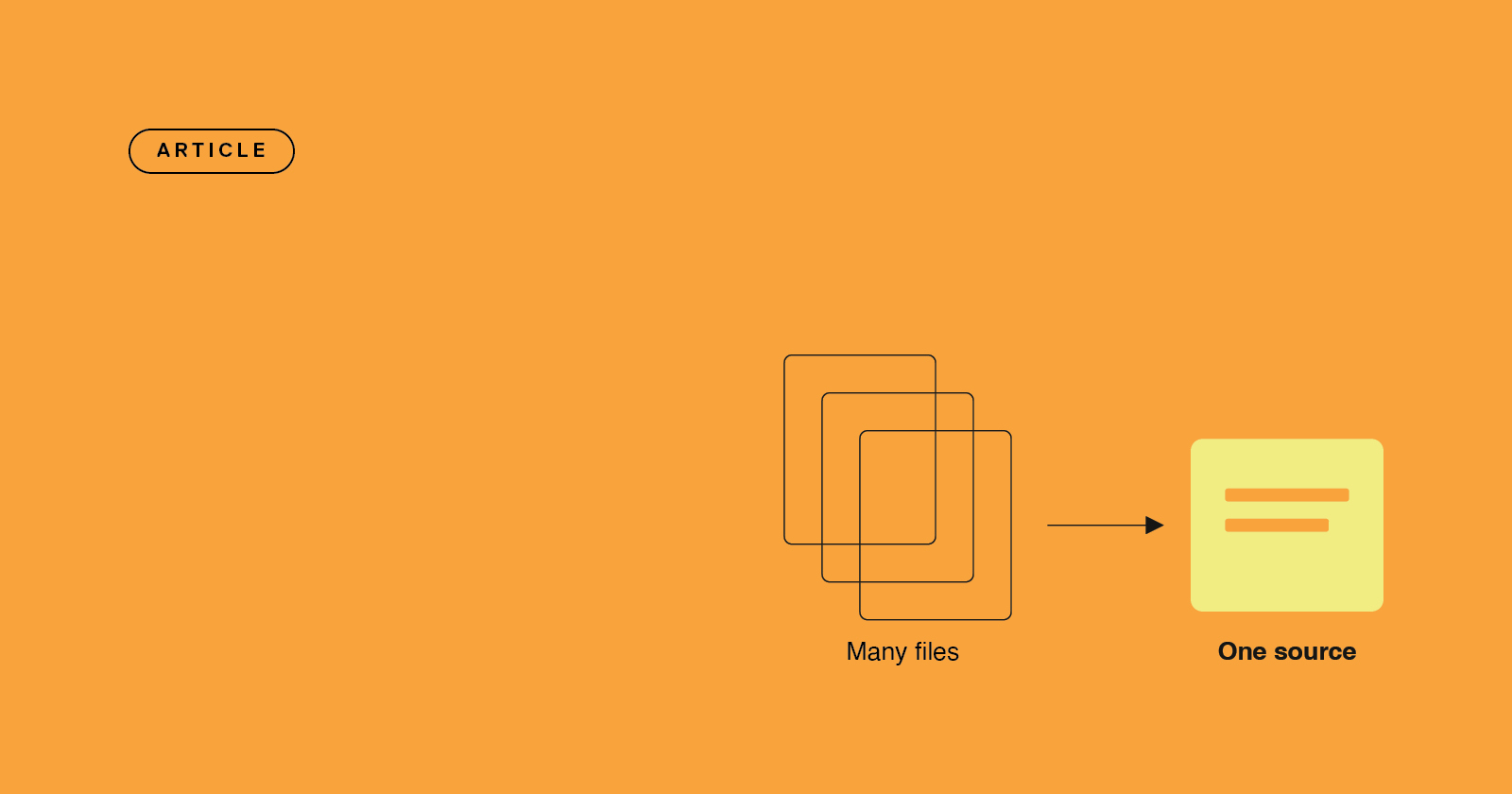
Why equipment documentation breaks as you scale
As equipment makers add product lines, manual updates pile up faster than the products ship - the fix is managing content as components, not files.
Article
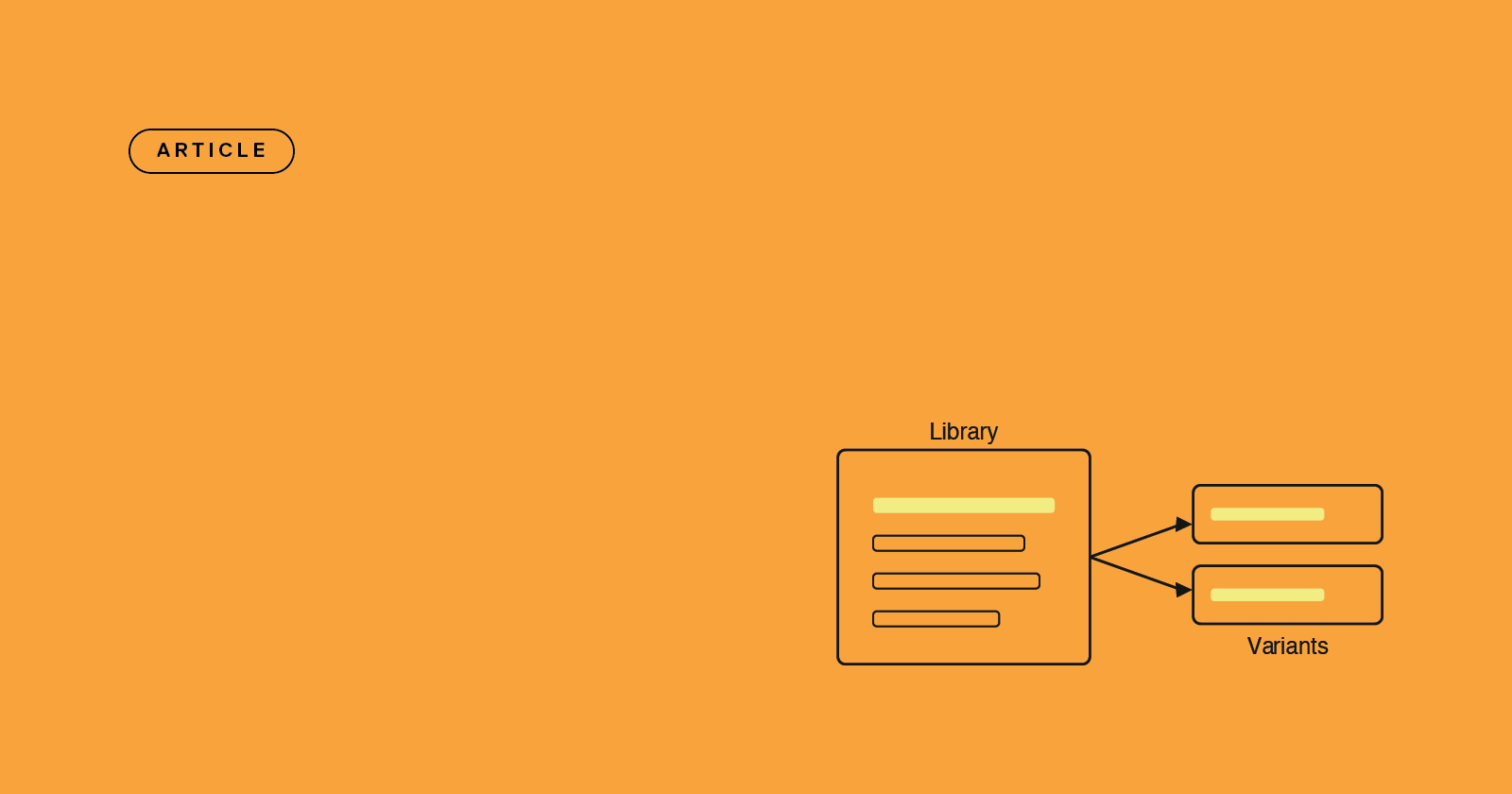
HVAC product documentation variants: taming SKU sprawl
HVAC product documentation variants multiply with every SKU - conditional content and variants keep thousands of configurations accurate from one source.