Article
Best CCMS for regulated industries: what to look for

Summary:
In regulated industries, content you cannot trace is content you cannot defend. The best CCMS for a regulated environment is not the one with the most features - it is the one that can prove which version was approved, who changed it, and when. This is a practical guide to what to look for, with Author-it's own perspective at the end. As AI moves into compliance workflows, the same requirement now extends to every answer an AI gives.
Why regulated industries need more from a CCMS
Most content tools are built for speed of authoring. In a regulated industry - utilities, manufacturing, life sciences, energy - speed is not the hard part. Proof is.
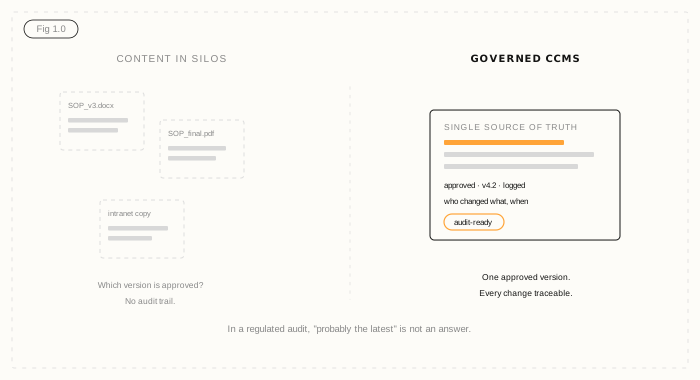
When a regulator asks which procedure was in force on a given date, "probably the latest one" is not an answer. You need the exact approved version, the approval record, and the change history behind it. When a requirement changes, you need to know every document affected and prove the update reached the field. General-purpose collaboration tools and file shares were never designed for that. They store documents; they do not govern them.
There is a new pressure on top of the old one. AI is moving into regulated workflows - compliance assistants, field service copilots, customer safety bots. Regulations are catching up: frameworks taking fuller effect in 2026 expect documentation, oversight, and traceability for AI systems. An AI answer in a regulated setting now carries the same burden of proof as a printed procedure. That raises the bar for the content underneath it.
What to look for in a CCMS for regulated industries
Treat this as your shortlist criteria. A CCMS for a regulated environment should do all of the following - not most of them.
Governance built in, not bolted on
Review and approval should be part of the content lifecycle, not an add-on workflow you configure and hope people follow. Look for defined release states - draft, in review, approved, published - where only approved content can be published to any output. The control should be architectural, so unapproved content provably cannot reach a live channel.
Component-level version control and a full audit trail
Whole-document versioning is not enough when one warning appears in fifty documents. You want versioning and an audit trail at the component level: who changed which topic, when, and what it was before. That is what turns an audit from a fire drill into a query.
A genuine single source of truth
If the same procedure exists in three systems, you have three things to keep in sync and three chances to be wrong. A real CCMS stores each component once and reuses it everywhere. Update it in one place and every document that uses it updates too - so the field, the manual, and the training material never drift apart. This is the heart of what a CCMS does.
Translation with traceability
Regulated content is rarely monolingual. Look for translation management that reuses unchanged content and tracks which language version maps to which approved source - so a translated safety notice is provably the approved one, not last year's.
AI-ready, governed output
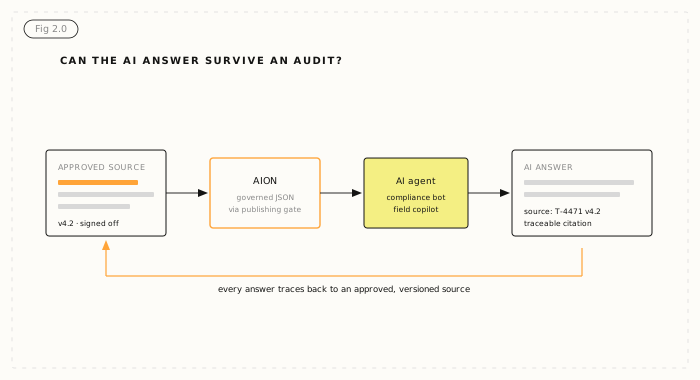
This is the 2026 criterion most checklists miss. If you are heading toward AI - and most regulated operators are - the CCMS should publish a structured, governed output an AI system can consume and cite. Not a flat export, but content that carries its type, identity, and provenance so an AI answer can be traced to an approved source.
How the categories of tool compare
Without naming products, here is how the main categories tend to stack up against those criteria.
General-purpose collaboration tools and wikis are easy to start with but weak on governance and traceability - version control is loose and there is no real audit trail. DITA-based systems are strong on structure and rigour but often demand XML expertise that slows authoring and narrows who can contribute. Newer cloud-native platforms prioritise a clean interface and fast setup, but many have not shipped governed, AI-ready output and treat compliance workflow as a later add-on. The right fit for a regulated operator is the platform that combines accessible authoring with enterprise governance - and has actually shipped the AI-ready piece.
Where Author-it fits - our own view
This is Author-it's perspective, so read it as such. We have spent 25+ years building content systems for regulated industries, and the criteria above are the ones our customers are judged against in real audits.
Author-it puts review and approval in the content lifecycle, with component-level versioning and a full audit trail. The publishing gate is architectural: content that has not been approved cannot be published to any output, including the AI-ready one. Translation reuse keeps language versions tied to their approved source. And AION, our structured JSON output shipped in 2026.R1, gives AI systems governed content they can cite back to an approved component - so an AI answer can survive the same scrutiny as a signed-off document. You can see how this plays out for utilities and manufacturing operators specifically.
The compliance test for AI answers
If you take one thing from this, make it this question: can your AI answer survive an audit? An AI assistant grounded in ungoverned content cannot prove where its answer came from. Grounded in approved, versioned, traceable content, it can. That is the difference between AI as a compliance risk and AI as a compliance asset, and it is the subject of our deeper look at deterministic AI for regulated industries. For the documentation side of audit readiness, see how to keep compliance documentation audit-ready.

Regulated CCMS FAQ
Q: What is the best CCMS for regulated industries?
A: The best CCMS for a regulated industry is the one that can prove governance, not just store content. It should have built-in review and approval, component-level version control with a full audit trail, a genuine single source of truth, translation with traceability, and a governed, AI-ready output. Features matter less than whether you can prove which version was approved and when.
Q: Why aren't general-purpose tools enough for regulated content?
A: General-purpose collaboration tools and file shares store documents but do not govern them. Version control is loose, there is no reliable audit trail, and the same procedure can exist in several places at once. In a regulated audit you need the exact approved version and its change history, which these tools cannot reliably provide.
Q: What makes a CCMS audit-ready?
A: An audit-ready CCMS records who changed which component, when, and what it was before, and enforces that only approved content can be published. Defined release states and a component-level audit trail turn an audit from a manual reconstruction into a simple query against the system of record.
Q: How does AI change CCMS selection for regulated industries in 2026?
A: AI is moving into compliance and field workflows, and regulatory frameworks taking fuller effect in 2026 expect traceability and oversight for AI systems. That means an AI answer now needs the same provenance as a printed procedure. A CCMS for regulated use should publish a governed, structured output an AI system can cite back to an approved source.
Q: Can an AI answer be traced back to an approved source?
A: It can, but only if the source content is governed. When content is published through an approval gate as structured output that carries its type, identity, and version, an AI answer can cite the exact approved component it came from. Grounded in ungoverned content, an AI cannot prove where its answer originated.
Q: Does a CCMS for regulated industries have to use DITA?
A: No. DITA-based systems offer strong structure but require XML expertise that can slow authoring and limit who can contribute. Structured authoring without DITA gives you enterprise governance and component reuse while keeping authoring accessible to subject matter experts, which matters in regulated teams where SMEs review and sign off content.
Published on:
Author:
June 7, 2026
Quinn Wright
Head of Sales
Related Resources

Article
Field crew AI: when a wrong answer is a safety risk
Why safety-critical field operations can't run AI on ungoverned content - and what deterministic, traceable answers actually require.
Article
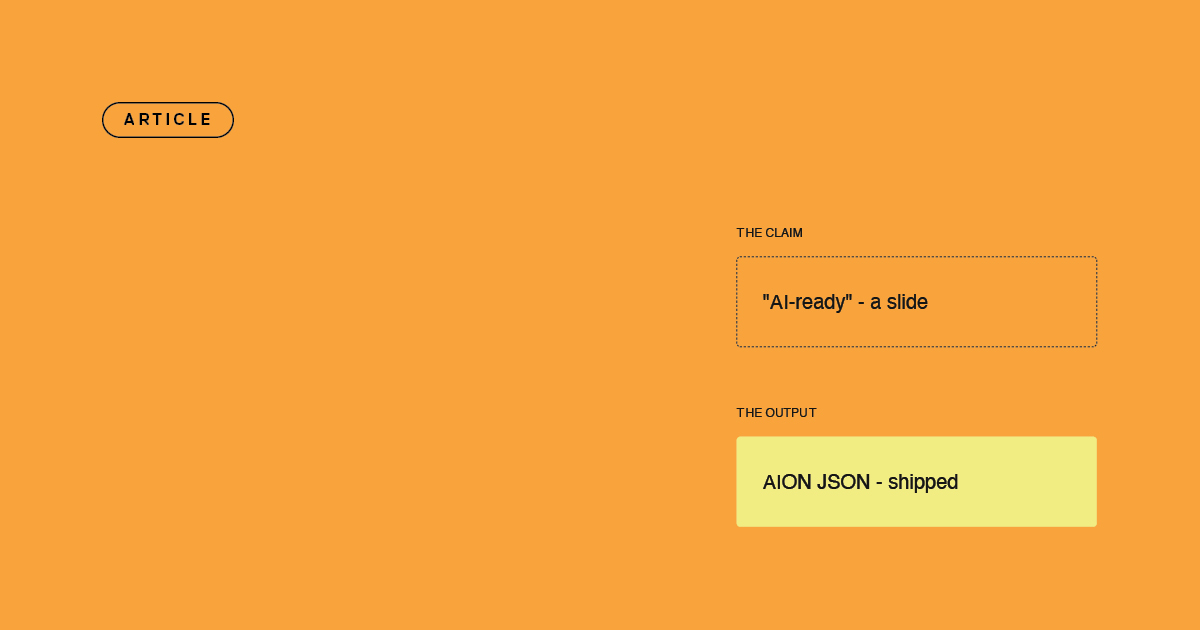
AI-ready content: who has actually shipped it?
A practical field guide to separating AI-ready content marketing from vendors who have actually shipped a structured, governed output for AI.
Article
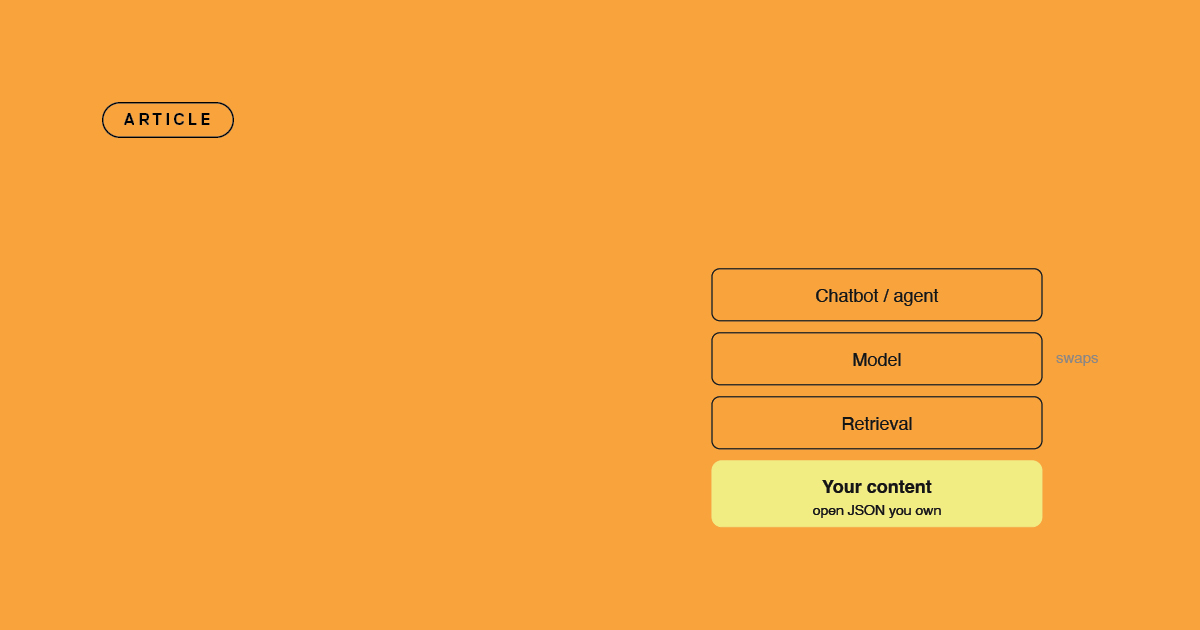
Future-proof your content for an AI stack that changes
Models and tools churn constantly. Future-proof content for AI by owning the one layer that lasts - your content, as open structured JSON.