Article
MadCap Flare alternatives in 2026

Summary:
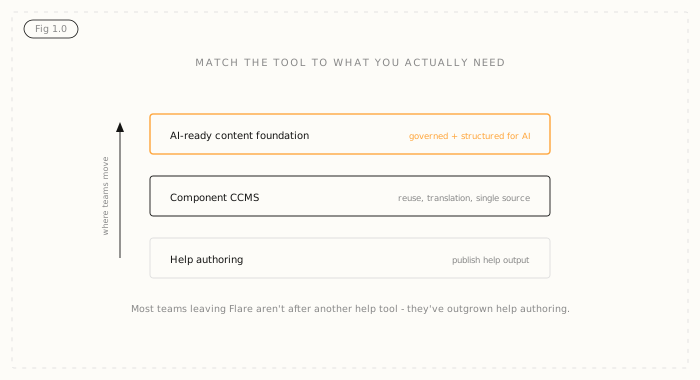
If you're evaluating MadCap Flare alternatives, you're usually weighing one of a few triggers: rising cost, a wish for cloud-native authoring, limits on structured reuse or translation at scale, or the newer question of whether your content is ready for AI. This guide covers what to weigh when you switch and the main categories of alternative, honestly, including where Author-it fits. The short version: match the tool to whether you need help authoring, structured component management, or an AI-ready content foundation.
Why teams look for MadCap Flare alternatives
MadCap Flare is a mature, capable help-authoring tool with a large installed base, and for plenty of teams it's still the right fit. Teams start looking elsewhere for a handful of consistent reasons: cost and licensing changes, a move to cloud-native and browser-based authoring, hitting the ceiling on structured reuse or translation as content scales, or realising their content isn't structured and governed enough to feed AI reliably.
If you're at the comparison stage, keep the vendors honest with a consistent scorecard - our 17-question CCMS evaluation checklist is built for exactly that. Then use the categories below to shortlist.
What to weigh when you switch
A few dimensions separate the options: the authoring model (desktop versus cloud), how deep structured reuse and single-sourcing actually go, translation workflow, the range of publishing outputs, compliance and audit-trail depth for regulated teams, and - increasingly the deciding factor - what format the tool produces for AI. Migration effort matters too: who does the work, and how long to first published output.
The alternatives, honestly
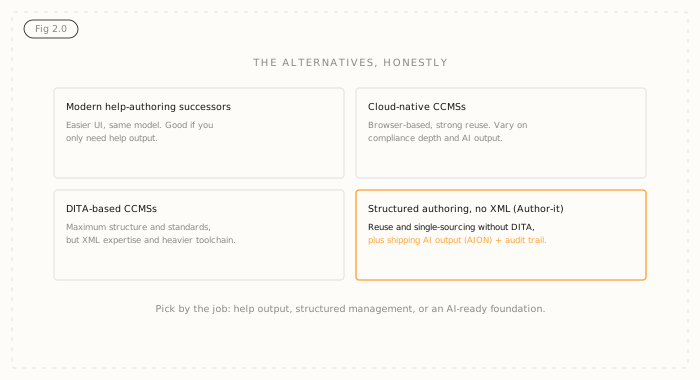
There are broadly four directions, and the right one depends on the job you actually need done.
Modern help-authoring successors keep the familiar model with a cleaner interface. They're a good fit if you mainly need to publish help and don't need deep component management.
Cloud-native CCMSs move you to browser-based authoring with strong reuse. They vary widely on compliance depth and on whether they produce a structured AI output today.
DITA-based CCMSs give you maximum structure and a recognised standard, at the cost of XML expertise and a heavier toolchain that not every team wants to run.
Structured authoring without XML - the category Author-it sits in - gives you component reuse and single-sourcing with enterprise rigour but without DITA overhead, plus a shipping structured AI output and a full audit trail.
Where Author-it fits
Author-it is the strongest fit for teams leaving Flare because they've outgrown help authoring and need governed, reusable content that's also ready for AI, without taking on XML. You get component-level reuse and version control, built-in Review and Approve with an audit trail, translation managed against the source, and AION, a structured JSON output built for LLMs and RAG pipelines that most alternatives can't yet match. Implementation is services-led, so migration and information architecture aren't left entirely to you.
None of this makes Flare a bad tool - it makes it a help-authoring tool. If that's all you need, a lighter successor may serve. If you're moving because content has become a scaling and AI problem, that's the switch Author-it is built for. Benchmark your current setup with the Structured Content Challenge.

Flare Alternatives FAQ
Q: What are the best MadCap Flare alternatives?
A: It depends on the job. If you only need help output, a modern help-authoring successor may be enough. If you need structured reuse and single-sourcing at scale, look at Component Content Management Systems - cloud-native ones for a modern UI, DITA-based ones for maximum standardisation, or structured authoring without XML like Author-it for reuse plus a shipping AI output. Match the category to your actual requirement rather than feature lists.
Q: Why do teams switch from MadCap Flare?
A: Common triggers are cost and licensing changes, a move to cloud-native browser-based authoring, hitting limits on structured reuse or translation as content scales, and realising their content isn't structured or governed enough to feed AI reliably. Flare remains a capable help tool; teams usually leave when their needs have grown beyond help authoring.
Q: Is a CCMS an alternative to MadCap Flare?
A: Yes, and it's often the right one when you've outgrown help authoring. A Component Content Management System manages content as reusable components with single-sourcing, translation, version control, and governance, rather than as help projects. If you need those capabilities, a CCMS is a step up rather than a like-for-like swap.
Q: Do I need DITA to replace MadCap Flare?
A: No. DITA is one route to structured content, but it brings XML expertise and toolchain complexity. Structured authoring without DITA delivers the same reuse and single-sourcing benefits with lower overhead and easier authoring for non-technical contributors. Whether DITA is worth it depends on your standards requirements and the expertise you want to maintain.
Q: What should I look for in a Flare alternative?
A: Weigh the authoring model (desktop or cloud), depth of structured reuse and single-sourcing, translation workflow, publishing outputs, compliance and audit-trail depth if you're regulated, the format it produces for AI, and migration effort. A consistent scored checklist across candidates keeps the comparison honest instead of demo-led.
Q: How hard is it to migrate off MadCap Flare?
A: It depends on content volume and how structured your source already is, but migration is a well-trodden path. The biggest risk factors are legacy content volume and information-architecture decisions, not the export itself. A services-led implementation, where the vendor helps with migration and IA, materially reduces the effort and the risk.
Published on:
Author:
July 5, 2026
Ben Harris
Marketing Lead
Related Resources

Article
Content lock-in: the exit tax nobody budgets for
The cost of leaving a content platform rarely makes the business case - until you try to switch. Here is the exit tax, and how open output removes it.
Article
Docs-as-code vs CCMS: the limits at scale
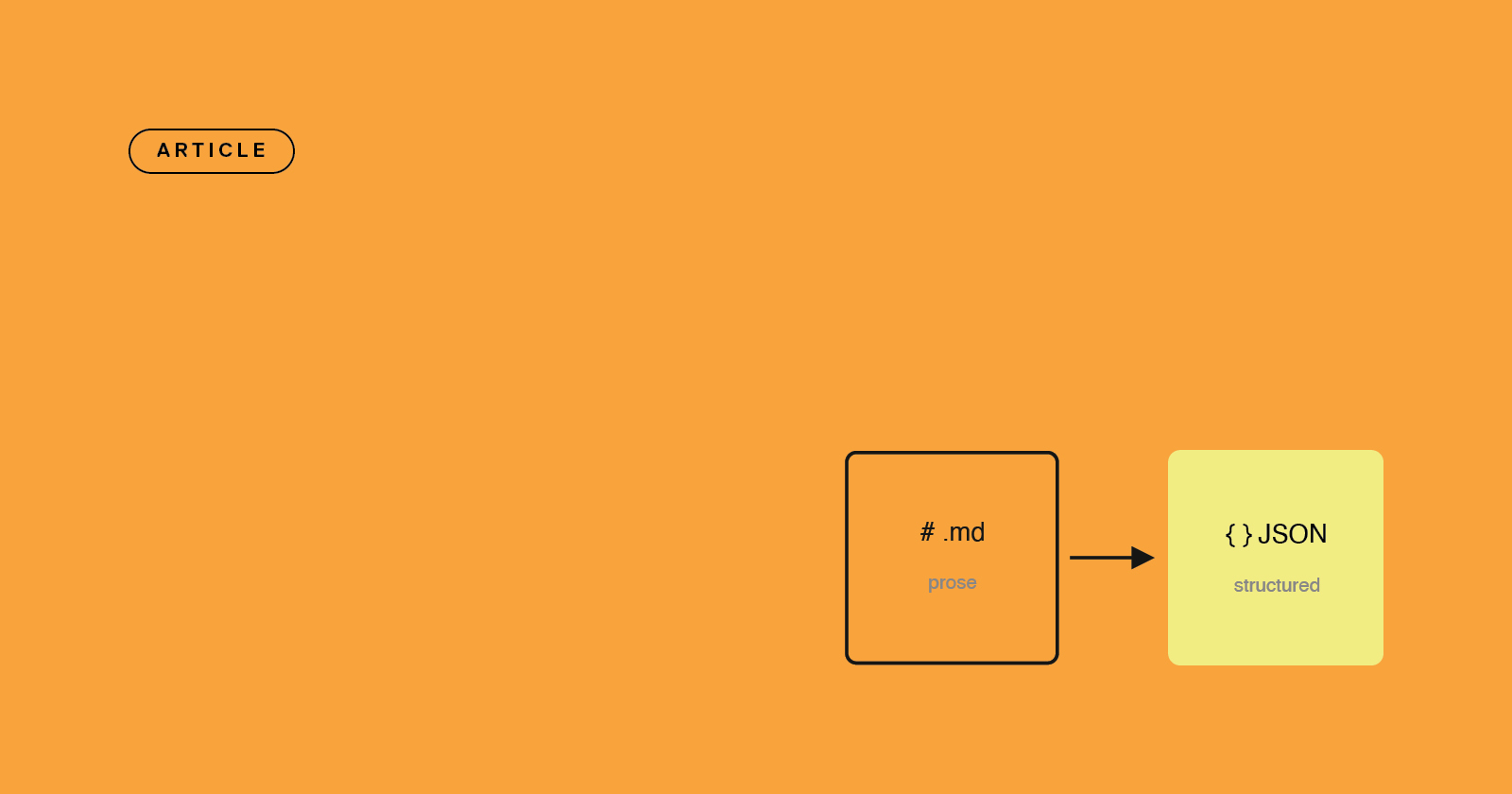
Markdown is prose with formatting. Structured content carries what reuse and reliable AI retrieval need.

Guide
FrameMaker migration to a modern CCMS
Migration anxiety keeps FrameMaker teams put. A phased, supported move drops the risk sharply.