Article
Product documentation for AI customer support

Summary:
When an AI support assistant gives customers wrong answers, the instinct is to blame the AI. Usually the problem is upstream: the product documentation feeding it is unstructured and out of date. When the same answer exists in a dozen places, the assistant picks one, often the wrong one. Structured, single-source content means a product change updates one topic and flows to the assistant automatically. Author-it's AION output gives support AI clean, governed content to answer from.
Your support AI isn't the problem
You added an AI assistant to deflect tickets and speed up replies. Now it's confidently telling customers about a setting that moved two releases ago, or a plan limit that changed. The natural next step is to look for a better assistant. That rarely helps, because the assistant is doing its job - it's answering from the content you gave it.
The real issue is what it's reading. If you're feeling this, it's worth seeing the AI content foundation view first: an assistant is only ever as accurate as the content underneath it. We cover the technical root cause in why your AI gives wrong answers about your products - this piece is about what it means for support specifically.
Why support answers drift out of date
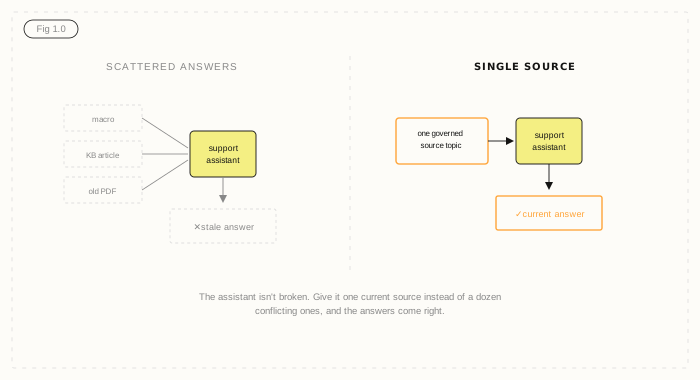
Support content is usually maintained separately from the product and from the rest of your documentation. A release ships, the help center lags, and the same answer lives in a macro, a knowledge base article, an old PDF, and someone's saved reply - each slightly different. To an AI assistant, those all look like valid sources, so it averages them or picks one at random.
Nothing tells it which one is current or approved. That's how a customer gets a confident answer that was true a year ago. It isn't a model failure - it's a content problem wearing an AI costume.
One change, everywhere
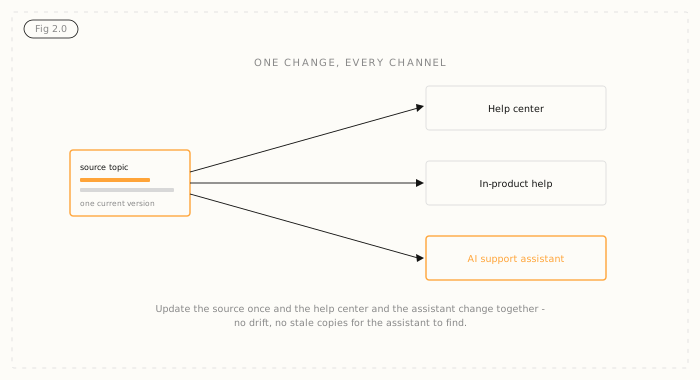
The fix is single-source content. Each fact lives in one governed place, and every channel - the help center a customer reads and the assistant that answers them - draws from that same source. Change the source once, and the update flows everywhere at the same time.
That does two things for support. The assistant stops serving stale answers, because there's only one current version to serve. And a governance gate keeps drafts and unapproved edits out of the assistant entirely, so a work-in-progress answer can't reach a customer.
What good looks like for AI support content
You don't need to boil the ocean. Aim for this on the content behind your highest-volume questions: answers written as discrete, self-contained topics; consistent terminology so the same feature has one name; one source per fact with a clear current version; approval before anything reaches the assistant; and a machine-readable output the assistant can consume cleanly. Get those right and both your human help center and your AI assistant improve at the same time, because they're drawing from the same place.
Where Author-it fits
Author-it lets you write support content once and publish it to every channel from a single source - the help center, PDFs, in-product help, and AI. Content is authored as components, reviewed and approved through a built-in workflow, and kept to one current version per fact.
The output that feeds the assistant is AION, Author-it's structured JSON for LLMs and RAG pipelines. It hands the assistant clean, current topics with metadata and source paths, and because of the publishing gate only approved content is ever in it. The result is an assistant that deflects tickets because its answers are right, not just fast. To see where your support content stands today, try the Structured Content Challenge.

AI Support FAQ
Q: Why does our AI support assistant give wrong answers?
A: Almost always because the content feeding it is unstructured and duplicated. When the same answer exists in a knowledge base article, a macro, and an old PDF - each slightly different - the assistant has no way to tell which is current or approved, so it serves a stale or wrong version confidently. The fix is single-source, governed content, not a different assistant.
Q: How do I improve AI customer support accuracy?
A: Fix the content the assistant reads. Consolidate each answer to a single source, keep terminology consistent, make sure only approved content is published to the assistant, and update at the source so changes propagate everywhere. Accuracy is set by the content layer, so improving it there lifts the assistant far more than tuning the model.
Q: Do we need a CCMS for AI customer support?
A: If your support content is duplicated across systems and drifts out of date, a Component Content Management System is the most direct fix. It gives you one governed source per fact and publishes to every channel - help center, in-product help, and the AI assistant - from that source. That single-sourcing is what keeps the assistant's answers current and consistent.
Q: What content does an AI support assistant need?
A: Self-contained answers written as discrete topics, consistent terminology, one governed source per fact with a clear current version, approval before anything reaches the assistant, and a machine-readable output it can consume. Unstructured help articles and PDFs give the assistant duplicates and stale versions instead, which is where wrong answers come from.
Q: How does single-source publishing help support AI?
A: With single-source publishing, each fact lives in one place and every channel draws from it, so a change updates the help center and the AI assistant at the same time. The assistant can't serve a stale version because there's only one current version to serve, and a governance gate keeps unapproved edits out entirely.
Q: Will better documentation reduce support tickets?
A: Yes, in two ways. Accurate, current content lets an AI assistant actually resolve questions instead of escalating or misinforming, which deflects tickets. And the same structured content improves your self-service help center, so customers find the right answer before they ever open a ticket. Both effects come from fixing the content, not the tooling around it.
Published on:
Author:
June 13, 2026
Ben Harris
Marketing Lead
Related Resources
Article
Author-it releases interactive AI grounding demonstration
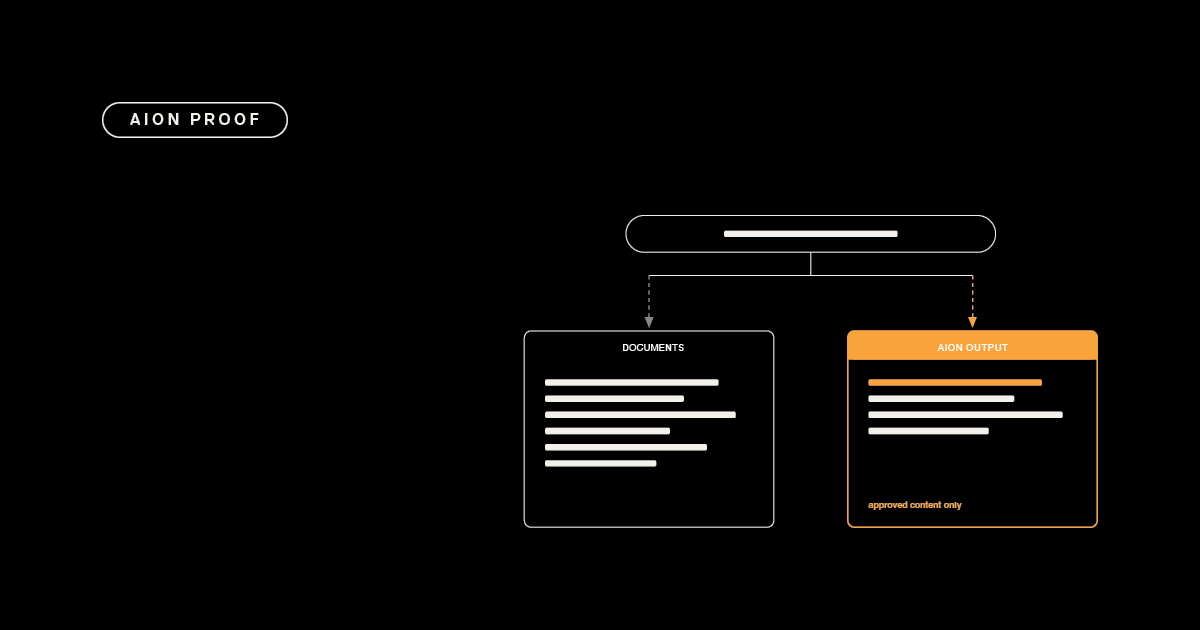
Same question, two sources: why ungoverned documents give an AI three answers and governed content gives it one, with its source attached.

Article
AI service assistants for manufacturing field techs
What it takes to put an AI service assistant in a manufacturing field tech's hands without risking a wrong, outdated, or unsafe answer.
Article
Should you build your own knowledge infrastructure?
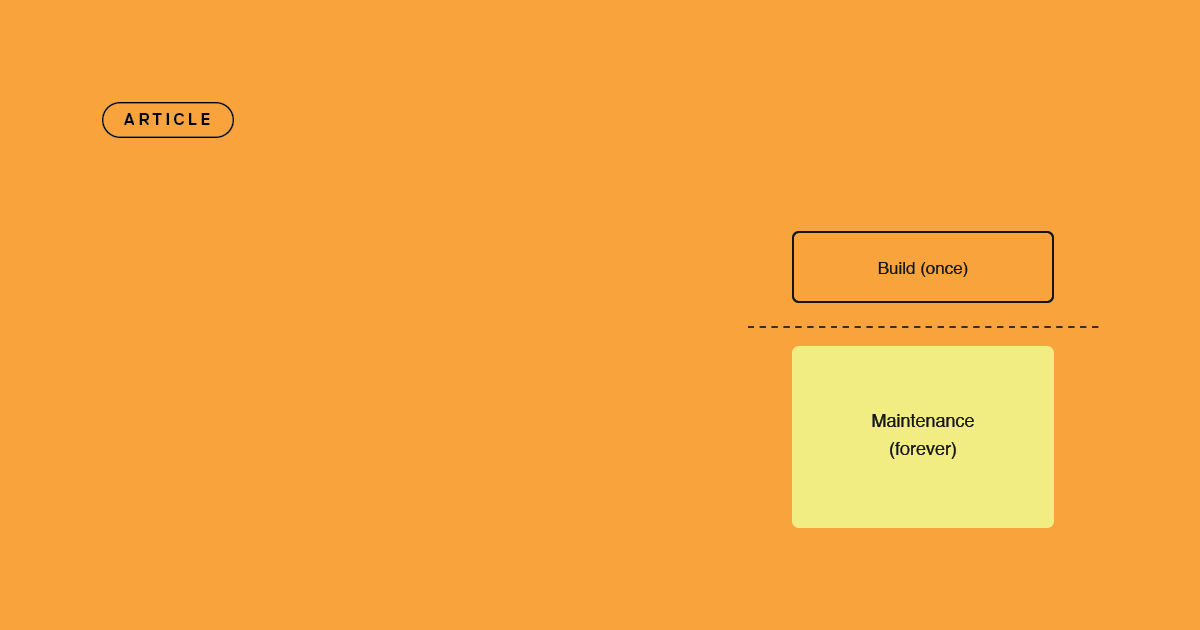
The real cost of building your own knowledge infrastructure isn't the build - it's owning it forever. An honest build-vs-buy guide.