Article
Machinery manufacturers outgrowing Google Docs

Summary:
Machinery manufacturers using Google Docs to manage technical documentation hit a hard ceiling fast. Version chaos, missing audit trails, and unscalable manual processes turn a simple tool into a compliance liability. Structured content management built for manufacturing lets teams maintain one source of truth across every product line, market, and language - with the governance that Google Docs was never designed to provide.
Google Docs works until it doesn't
For a small team, Google Docs is fine. It's familiar, cheap, and fast to get started. A handful of writers, a manageable product line, and a simple folder structure - it holds together.
Then the product range grows. You enter a new market. A regulatory body asks for documentation traceability. A new hire has no idea which version of the installation manual is current. And suddenly your lightweight tool has become a very expensive problem.
Machinery manufacturers are particularly exposed here. Your content isn't just useful - it's safety-critical. Installation guides, maintenance procedures, safety data sheets, CE marking documentation. Getting these wrong doesn't just create rework. It creates liability.
The six walls Google Docs users hit
These aren't edge cases. They're the exact sequence of pain points that documentation teams at growing machinery manufacturers report - usually in this order.
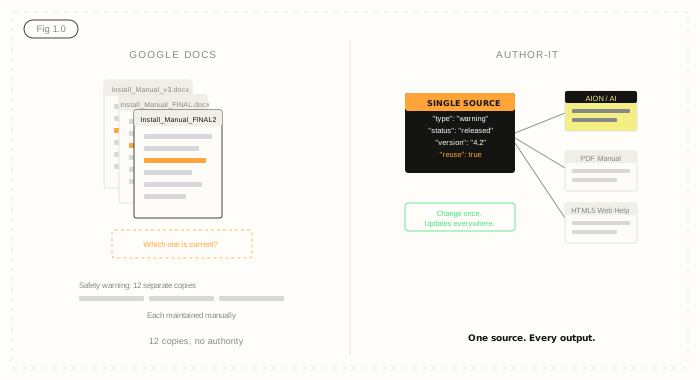
First comes version confusion. A document gets edited by three people across two time zones. Which Google Doc is the live version? Someone's already printed the old one. The field technician is working from something that was superseded six months ago.
Second comes copy-paste proliferation. The same safety warning appears in twelve different documents, each maintained separately. When the regulation changes, someone has to find all twelve. Inevitably, they miss one.
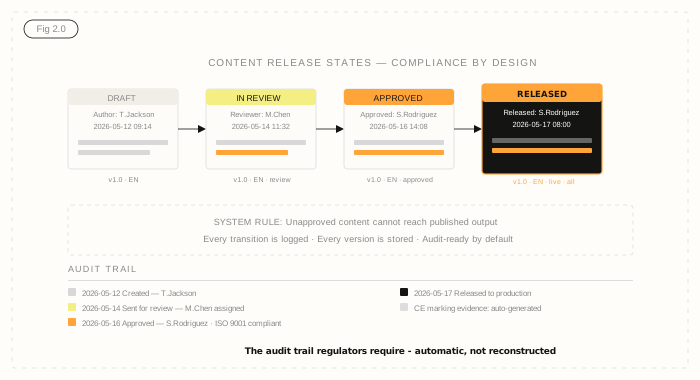
Third comes audit readiness. A quality manager asks for evidence that the correct version of a procedure was in place on a given date. Google Docs can show edit history on individual files - but there's no formalised release state, no approval workflow, and no system-level audit trail.
Fourth comes scale. A new product line means a new set of documents. A new market means translated versions of everything. The workload grows linearly with every addition. Writers spend more time managing documents than writing them.
Fifth comes access control. Who should be able to edit what? Google's sharing model is binary enough for consumer use, but not granular enough for a documentation team where some users should review, some should edit, and only certain roles should approve and release.
Sixth comes AI readiness. This is newer, but increasingly urgent. Manufacturers piloting AI tools for field service, customer support, or internal search discover that unstructured documents are nearly unusable as source content. The AI either can't parse them reliably or confidently returns outdated information.
What machinery manufacturers actually need from documentation
Before evaluating tools, it's worth being precise about what the job actually requires at manufacturing scale.
You need a single source of truth - not a convention or a naming policy, but an architectural guarantee that every published output draws from the same versioned component. One change to a safety specification flows to every manual, every market, every format. Not because someone manually updated twelve files, but because the system ensures it.
You need release state governance. Content should exist in clearly defined states - in progress, under review, approved, released - with access controls that match each state. Unapproved content cannot reach production.
You need an audit trail that doesn't require a spreadsheet to maintain. Who changed what, when, and who approved it. This is non-negotiable for ISO compliance, CE marking, and customer audit requirements.
You need reuse at component level - not at document level. The same torque specification, the same safety warning, the same installation step - written once, referenced everywhere. When it changes, it changes everywhere simultaneously.
You need translation that doesn't multiply your workload. Content you've already translated shouldn't be sent to a translation agency again just because a new document references it. You pay to translate new content only.
The compliance cost of staying on Google Docs too long
This section tends to get people's attention.
Most manufacturers don't make the switch from Google Docs because of productivity. They make it after something goes wrong. A product recall traced partly to inconsistent documentation. A CE marking audit that surfaces version discrepancies. An ISO 9001 review that exposes the gap between documented procedures and what's actually being followed in the field.
The cost of those events - in audit fees, rework, delayed market entry, and reputational risk - far exceeds any investment in proper documentation infrastructure. But the pattern is consistent: organisations wait until the pain is acute rather than switching at the point where the cost-benefit is clear.
If your team manages safety-critical documentation across more than two product lines, the risk of staying on Google Docs is growing. The question isn't whether a structured content management approach would cost less - it almost certainly would. The question is whether you wait for a trigger event or act before one forces your hand.
How Author-it works for machinery manufacturers
Author-it is a component content management system (CCMS) built for exactly this use case. Rather than storing documents, it stores structured content components - procedures, warnings, specifications, descriptions - that can be assembled into any output format required.
For a machinery manufacturer, this means a single safety warning lives in one place. Reference it in forty manuals and it appears in all forty. Update it once and all forty are current. The system enforces this by design - there is no mechanism to have two different versions of the same component in production simultaneously.
Release state controls determine what can be published. Content in draft or review state cannot reach output. An approval workflow - with named roles, timestamps, and version history - governs every transition from draft to released.
For translation, Author-it's built-in translation module uses object-level translation memory. If a component has already been translated, you don't pay to translate it again. Only genuinely new or changed content goes to the translation vendor. Manufacturers with high reuse rates typically reduce translation spend by 40-60% compared to document-based workflows.
Publishing from a single source to multiple output formats - PDF, Word, HTML5, web help - eliminates the layout rework that document-based teams spend significant time on. One source, every format, every market.
And with AION, Author-it's structured JSON publishing format introduced in 2026.R1, the same governed content that powers your printed manuals becomes the reliable foundation for AI agents, internal search, and field service tools - without any additional work by the documentation team.
Making the business case internally
The conversation with finance and operations usually needs three numbers: what it costs to stay, what it costs to switch, and how long until the new approach pays for itself.
Staying on Google Docs has costs that are mostly invisible until you add them up. Time spent reconciling versions, time spent managing translations document by document, time spent preparing audit documentation manually, and the risk-adjusted cost of a compliance event.
The switch to a proper CCMS involves a setup and migration phase - typically three to six months for a machinery manufacturer moving from an unstructured environment. There's a learning curve for writers unfamiliar with component-based authoring, but Author-it is specifically designed to minimise that friction. It doesn't require XML or DITA knowledge.
The payback timeline depends on your content volume, translation spend, and the complexity of your regulatory requirements. Manufacturers with significant translation spend typically recoup the investment within 12-18 months through reduced translation cost alone.
Author-it's ROI calculator is available at author-it.com and lets you model your specific situation using your own numbers.

Machinery Documentation FAQ
Q: Can machinery manufacturers realistically migrate from Google Docs to a CCMS without disrupting production documentation?
A: Yes - and most migrations are handled in phases precisely to avoid disruption. Existing documentation is migrated into structured components progressively, starting with the most actively maintained content. Teams typically run in parallel for a transition period, with the new system handling net-new content while legacy documents are migrated in the background. Author-it's professional services team supports this process.
Q: Does Author-it require writers to learn XML or DITA?
A: No. Author-it uses a structured authoring environment that doesn't require XML or DITA knowledge. Writers work in an interface comparable in familiarity to Word, but with the content architecture enforced underneath. This is one of the key reasons manufacturing documentation teams choose Author-it - the learning curve is significantly lower than DITA-based systems.
Q: How does Author-it handle ISO 9001 audit requirements?
A: Author-it maintains a complete version history and approval audit trail at component level. Every change is logged with a timestamp and user identity. Release states prevent unapproved content from reaching output. When an ISO audit requires evidence that a specific version of a procedure was in place on a given date, the system can produce that evidence directly.
Q: What happens to our translation investment when we move to Author-it?
A: Translation memory is maintained at component level - not document level. Translated components are stored and reused automatically. When a document references a component that's already been translated, the existing translation is used without incurring a new translation cost. Only genuinely new or changed components go to the translation vendor. Manufacturers with significant reuse typically cut translation costs by 40-60%.
Q: Can Author-it publish to the formats we need - PDF, Word, HTML5?
A: Yes. Author-it publishes to PDF, Word, HTML5 web help, and other formats from a single source. The same component content is assembled and formatted for each output type. Changing the output format doesn't require restructuring the source content.
Q: How does Author-it support CE marking and other regulatory documentation requirements?
A: CE marking documentation requires specific formatting, versioning, and traceability. Author-it's structured templates enforce consistent formatting, release states control what can be published, and the audit trail demonstrates content governance to regulators. The single-source model ensures that the documentation submitted for CE marking matches what's in the field - a common point of failure in document-based workflows.
Q: What is AION and how does it relate to machinery documentation?
A: AION is Author-it's structured JSON publishing format, introduced in 2026.R1. It outputs governed, structured content in a format that AI systems - including internal search, field service tools, and AI agents - can reliably consume. For machinery manufacturers, this means the same content that powers printed manuals can also power digital support tools without any additional work by the documentation team. The governance applied in Author-it carries through to the AI layer - unapproved content cannot reach AION output.
Published on:
Author:
May 29, 2026
Ben Harris
Marketing Lead
Related Resources

Article
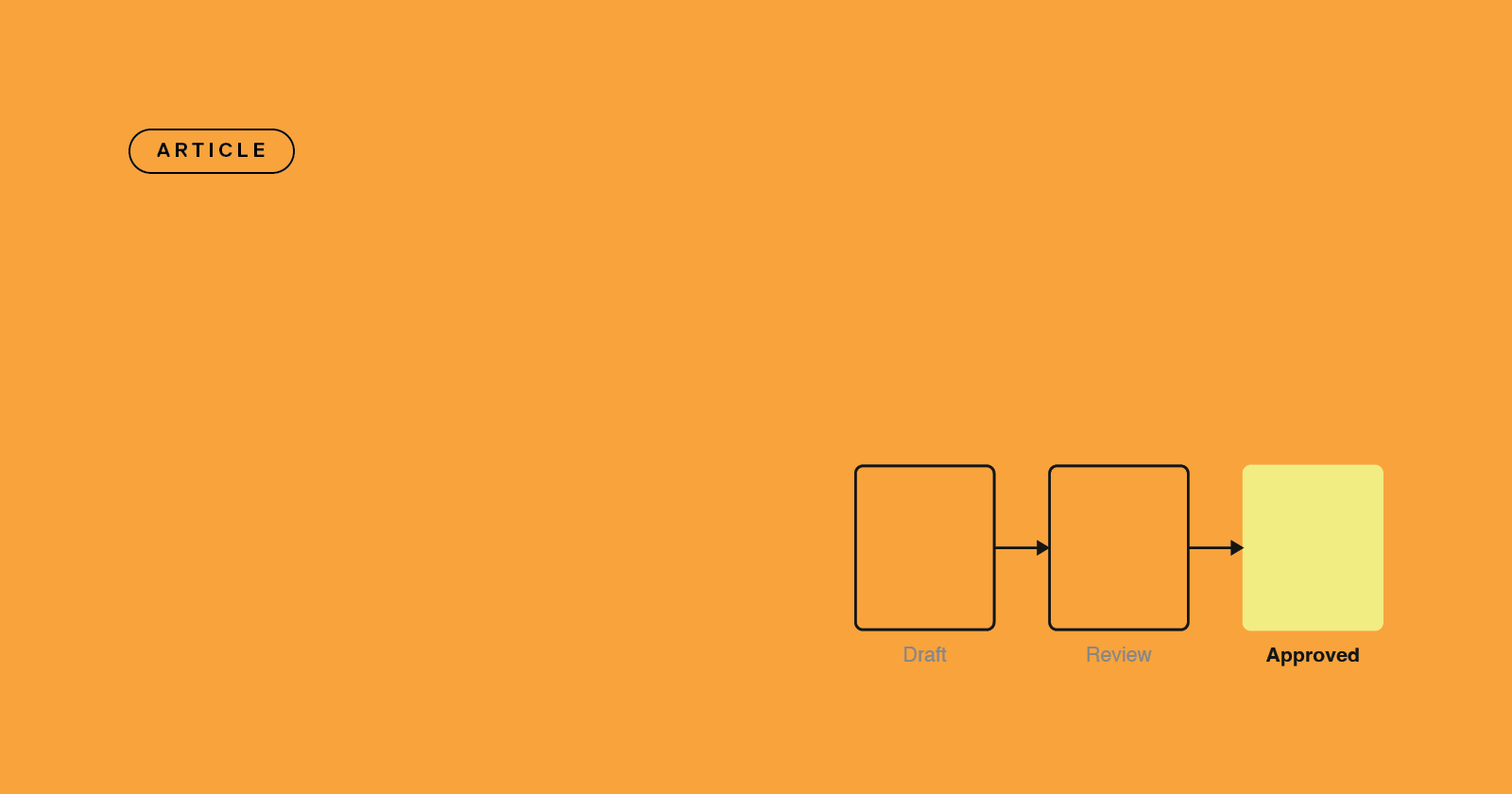
Content lock-in: the exit tax nobody budgets for
The cost of leaving a content platform rarely makes the business case - until you try to switch. Here is the exit tax, and how open output removes it.
Article
Audit-ready compliance docs for HVAC manufacturers
HVAC compliance documentation - UL 60335-2-40, CE, AHRI, F-Gas - stays audit-ready through controlled versions and a provable approval trail.
Article
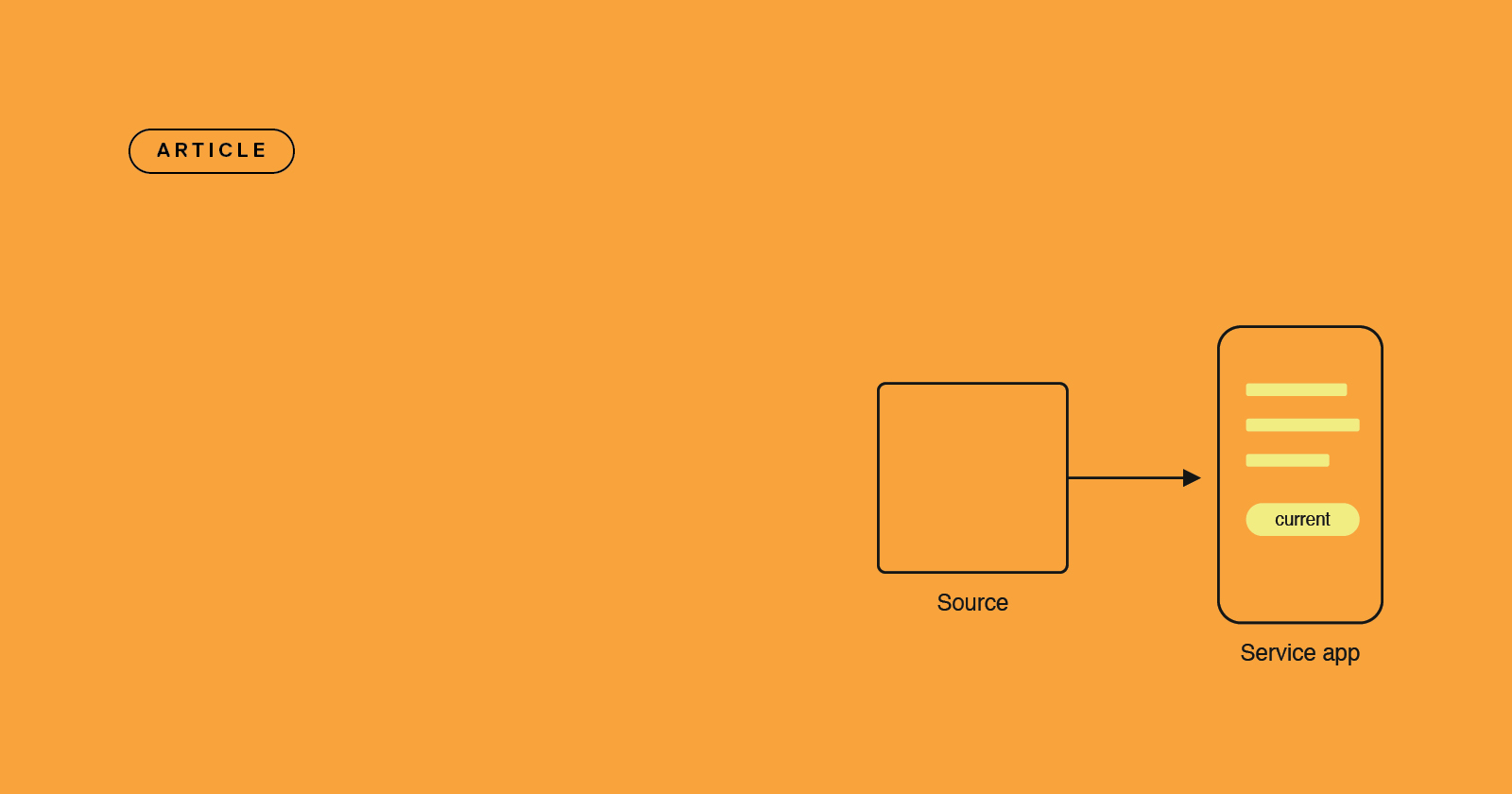
Why HVAC field techs get outdated manuals
HVAC field service documentation that's published once and never updated drives callbacks - here's how single-source publishing keeps techs on the current version.