Case Study
LIGHTN publishes 2,600 policy sites from one source

LIGHTN manages legally compliant policy content for more than 2,200 schools, 300+ general medical practices, and a growing number of Early Childhood Education centres across New Zealand. Publishing at that scale - with every site containing localised, auditable policy content - requires an architecture that doesn't break under pressure. Author-it is the engine at its core.
Since 2006, the organisation (originally SchoolDocs) has relied on Author-it as its single source of truth. When the time came to expand beyond schools into GP practices and ECE, that foundation proved it could scale.
When we looked at going into another market, we basically said: this isn't going to work for us.
Pete McNulty, Head of Information Services, LIGHTN
The problem wasn't the content. It was the delivery. Publishing required rebuilding 2,300 static sites individually. A single full release took around 10 hours, spread across four machines. Compliance pressure was increasing. And the manual overhead made launching into new markets feel impossible.
The answer wasn't a new system. It was a smarter architecture around the one they already trusted.
How LIGHTN rebuilt publishing around Author-it
The redesigned architecture keeps Author-it as the central knowledge engine. All policy content is authored, versioned, and governed in one place. Customer-specific variables - school names, local contacts, policy exceptions - are managed externally. A single resolved output is then consumed by the website layer, which renders thousands of individual customer sites without manual rebuilds.
Hamish Blunck at Segue Consulting designed the Author-it integration, defining how content, variables, and site structures synchronise and publish at scale. The LIGHTN team led requirements definition, content preparation, and user testing.
The result is a publishing model that decouples growth from hardware. Adding a new product line - like ECEDocs - no longer means rebuilding the engine. It means extending an architecture that already works.
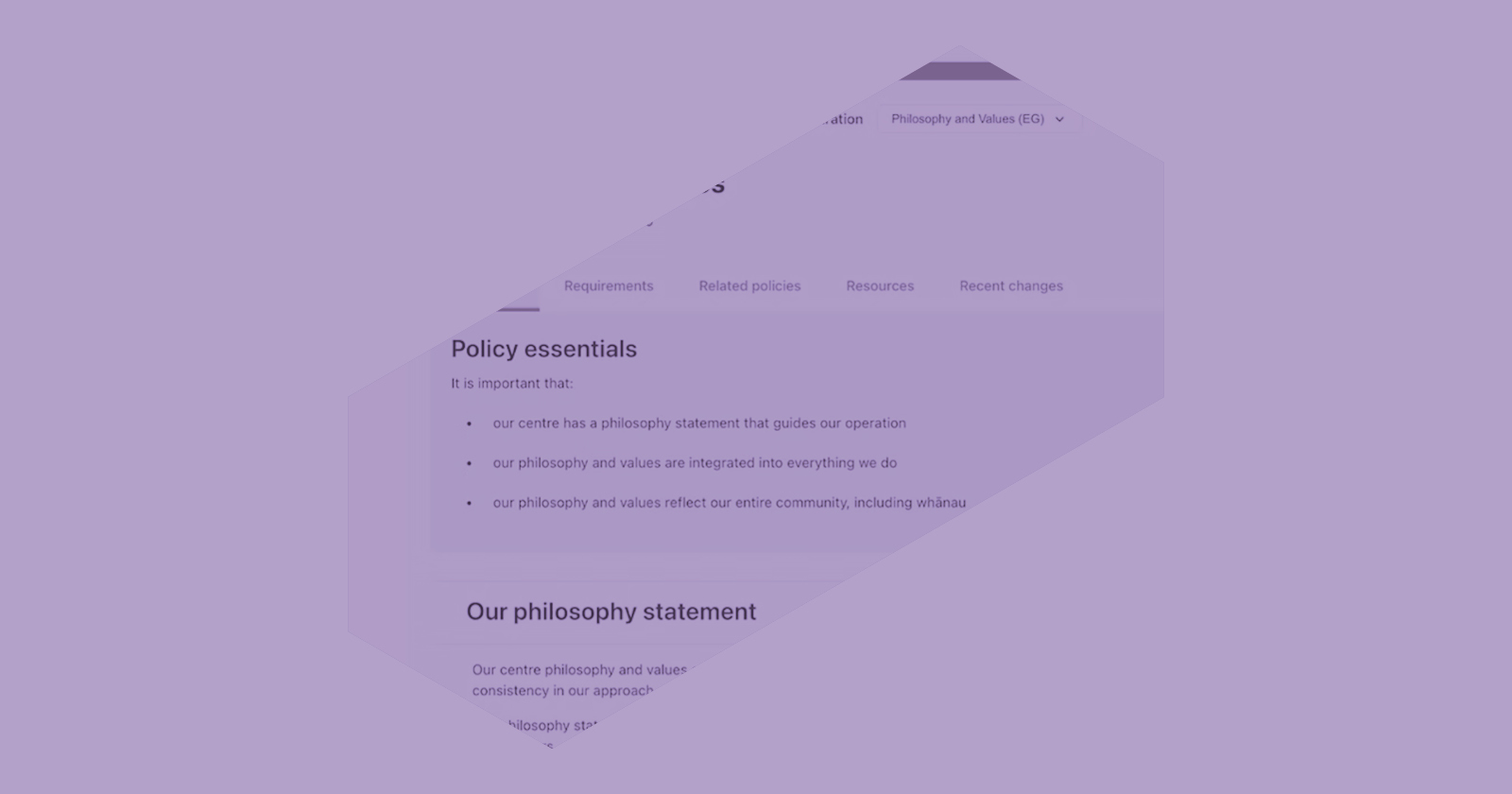
Results: 10 hours to 40 minutes
Full site publishing dropped from approximately 10 hours across four machines to under 40 minutes. That's not a marginal improvement - it's a different category of operation.
More than 2,600 sites now publish from a single Author-it source. Policy updates are available on demand, with no batching required. And because all content originates from a governed, versioned repository, audit trails are built in from the start.
ECEDocs - the newest product under the LIGHTN brand - went live within six months of the architecture being finalised. That speed wasn't possible before.
What this means for technology providers
LIGHTN's use case is a clear example of what becomes possible when content is structured from the source. The business didn't change its content management system when it needed to scale - it changed how it published from the one it already had.
For technology businesses managing multi-tenant content delivery - documentation, compliance materials, policy sets, or product content distributed to hundreds or thousands of end customers - this architecture is worth understanding. Structured content in Author-it becomes a scalable publishing asset, not a manual overhead.
If publishing is slowing down your growth, the constraint is usually in the architecture, not the content itself.
And because that content is already structured and governed at the source, the same foundation is AI-ready - publishable to AI pipelines as AION when the time comes.
Going from 10 hours… to 30 or 40 minutes - that’s fantastic!
Pete McNulty, Head of Information Services, LIGHTN

Frequently asked questions
Q: How did LIGHTN reduce policy publishing time from 10 hours to 40 minutes?
A: LIGHTN redesigned its publishing architecture to treat Author-it as a central content engine. All policy content is authored once and stored in a single governed source. A resolved output is consumed by the website layer, which renders each customer site automatically - eliminating the manual rebuild process that previously required 10 hours across four machines.
Q: What is Author-it's role in the LIGHTN publishing architecture?
A: Author-it is the single source of truth for all policy content across LIGHTN's three product lines - SchoolDocs, GPDocs, and ECEDocs. Content is authored, versioned, and governed in Author-it. Customer-specific variables are managed externally, and a resolved output is published to more than 2,600 sites without duplicating or manually editing any core content.
Q: How does Author-it support compliance and audit requirements for policy content?
A: Because all content originates from a single, versioned Author-it repository, every policy update is traceable. Release state management and audit trails are built into the authoring process - which is critical for organisations operating under education and healthcare regulatory frameworks in New Zealand.
Q: Can this publishing model scale to new markets or product lines?
A: Yes. LIGHTN proved this with the launch of ECEDocs, which went live within six months using the same Author-it-based architecture. Growth no longer requires hardware scaling or manual site rebuilds - it means extending an existing structured publishing model.
Q: What type of organisation would benefit from a similar Author-it architecture?
A: Technology businesses that deliver content at scale to multiple customers or sites - such as policy providers, SaaS documentation teams, or compliance content publishers - are the clearest fit. Any organisation where publishing overhead is growing faster than its content team can manage is worth evaluating against this model.
Published on:
Author:
May 11, 2026
Adrian Winks
CEO
Related Resources

Article
Content lock-in: the exit tax nobody budgets for
The cost of leaving a content platform rarely makes the business case - until you try to switch. Here is the exit tax, and how open output removes it.

Article
The real cost of DITA - and when you don't need it
The cost of DITA is mostly staffing and process. Here is where it hides - and how to get topic reuse and single-source publishing without XML.
Article
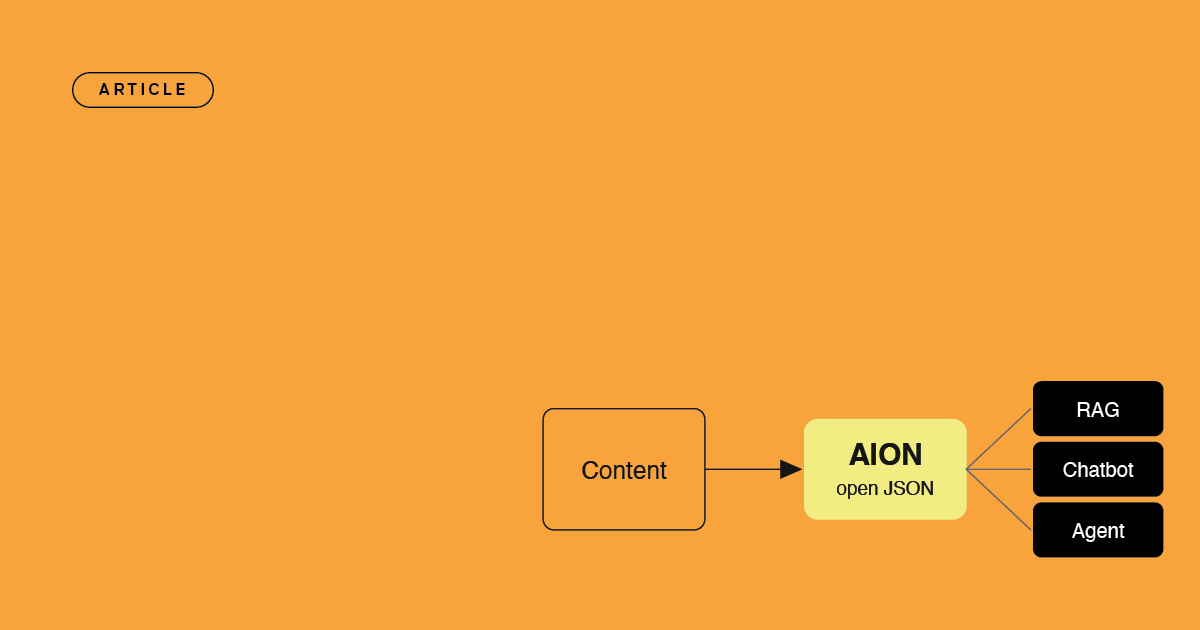
AI content delivery: own your output, not a hub
The difference between renting an AI delivery hub and owning your content as open, portable JSON that feeds any AI stack you build or buy.