Guide
IEC 62443 documentation requirements explained

Summary:
IEC 62443 is the international standard for cybersecurity in industrial automation and control systems, and meeting it is a documentation-heavy exercise. Security programmes, risk assessments, security-level targets, secure-development records, and component specifications all have to be written, kept current, and proven on audit. Spread across shared drives and Word files, that documentation drifts and fails inspection. This guide covers what 62443 asks for and how structured, version-controlled content keeps it audit-ready. Author-it supplies the version control, audit trail, and approval workflow that obligation depends on.
What IEC 62443 is, and why it generates so much documentation
IEC 62443 is a series of standards for securing industrial automation and control systems - the operational technology behind manufacturing lines, utilities, and connected equipment. It spans three roles: the asset owner who runs the system, the system integrator who builds it, and the product supplier who makes the components. Each carries documentation obligations.
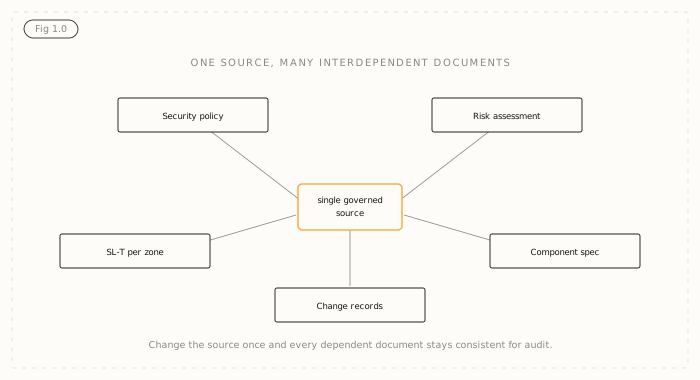
Because the standard covers people, process, and technology, it produces a large body of interdependent documents, and auditors expect to see them current and controlled. If you manage that documentation across industrial sites, see how structured content holds up at scale for manufacturing and utilities, then read on.
The documentation IEC 62443 actually demands
Across the standard, the artefacts you have to produce and maintain include:
- Security programme and policy documentation - your governance, roles, and procedures.
- Risk assessments and security-level targets - the SL-T you set for each zone and conduit.
- System security requirements and architecture documentation.
- Secure development lifecycle records for products and integrations.
- Component security capability specifications.
- Patch, change, and configuration management records.
- Supplier and supply-chain security documentation.
The hard part isn't writing any one of these. It's keeping them consistent with each other as systems change.
Why unstructured documentation fails a 62443 audit
When a component changes, its specification, the system security document, the related risk assessment, and sometimes the policy all need to move with it. In Word files on a shared drive, they don't. One gets updated, the others lag, and the set falls out of sync.
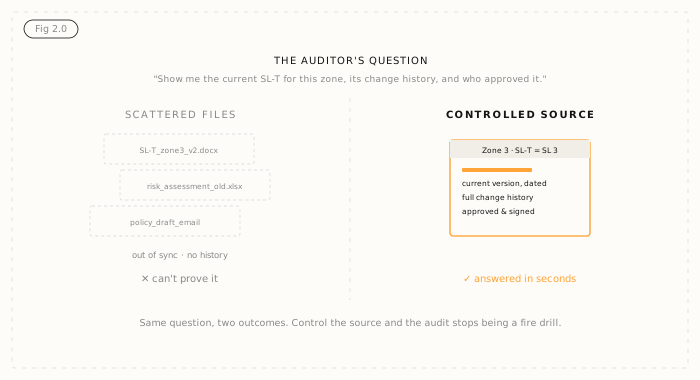
Then the auditor asks the question that unstructured documentation can't answer: show me the current security-level target for this zone, the change history behind it, and proof of who approved it. Without a single source, version control, and an audit trail, that request turns into days of reconstruction, and gaps become findings.
What structured, controlled documentation gives you
Structured content changes the economics of this. A security control or component spec is written once and reused everywhere it's referenced, so an update propagates instead of being re-keyed in five places. Version control at the component level means you can retrieve the exact document that was current on any date. A built-in audit trail records who changed what and when. An approval workflow proves sign-off. And you can publish the same governed source to every format an auditor, integrator, or regulator needs.
You still do the security engineering. What changes is that proving it stops being a fire drill.
Where Author-it fits
Author-it is the documentation-control layer for exactly this kind of obligation: component-level version control, a full audit trail, built-in Review and Approve, and a single-source library so every document reflects the current, approved state. It has supported regulated and industrial content for 25+ years.
To be clear, Author-it manages the documentation that demonstrates 62443 conformance - it isn't itself a security control. But documentation is where a large share of 62443 effort and audit risk actually sits, and it's the part most teams are managing with tools that were never built to prove anything. See how structured content works in regulated utilities and industrial environments, or benchmark your current setup with the Structured Content Challenge.

IEC 62443 FAQ
Q: What documentation does IEC 62443 require?
A: Across the standard you must produce and maintain security programme and policy documentation, risk assessments and security-level targets, system security requirements and architecture, secure development lifecycle records, component security capability specifications, patch and change management records, and supply-chain security documentation. The challenge is keeping these interdependent documents consistent as systems change.
Q: Who is responsible for IEC 62443 documentation?
A: The standard assigns obligations across three roles: the asset owner operating the system, the system integrator designing and deploying it, and the product supplier building the components. Each maintains its own documentation, and the sets have to line up, which is far easier when content is reused from a single source than recreated separately by each party.
Q: What are IEC 62443 security levels?
A: IEC 62443 defines security levels from SL 1 to SL 4, describing increasing degrees of protection against threats of increasing capability. You set a security-level target for each zone and conduit, then document and demonstrate that the system meets it. Those targets and the evidence behind them are core documentation an auditor will want to see and trace.
Q: Why does unstructured documentation fail an IEC 62443 audit?
A: Because the documents drift apart. When a component changes, its spec, the system document, and the risk assessment all need updating, but in scattered Word files they don't move together. Without a single source, version control, and an audit trail, you can't prove the current security-level target, its change history, or who approved it, and those gaps become audit findings.
Q: Does a CCMS help with IEC 62443 compliance?
A: Yes, for the documentation burden. A Component Content Management System gives you single-source content, component-level version control, an audit trail, and approval workflows, so the interdependent documents stay consistent and you can prove their history on demand. It manages the documentation that demonstrates conformance; the security engineering itself remains your responsibility.
Q: How is IEC 62443 different from IT security standards?
A: IEC 62443 is purpose-built for operational technology - industrial automation and control systems - where availability and safety are paramount and equipment lifecycles run for decades. General IT security standards focus on information systems. The two are complementary, but 62443 addresses the specific roles, zones, conduits, and component requirements of industrial environments, and generates its own distinct documentation.
Published on:
Author:
June 26, 2026
Osmar Silva
CTO
Related Resources
Article
Field crew AI: when a wrong answer is a safety risk
Why safety-critical field operations can't run AI on ungoverned content - and what deterministic, traceable answers actually require.
Article
AI-ready content: who has actually shipped it?
A practical field guide to separating AI-ready content marketing from vendors who have actually shipped a structured, governed output for AI.
Article
Agentic AI for documentation: a practical guide
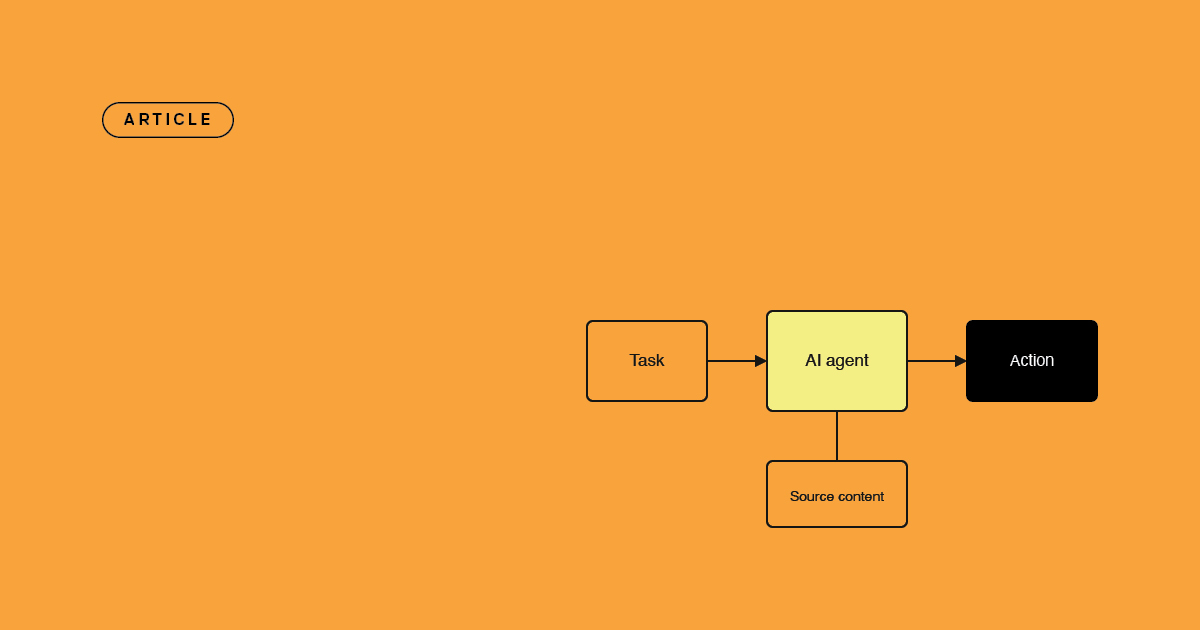
How AI agents use documentation to take action - and why agentic AI raises the bar on structured, governed content.